Latest News

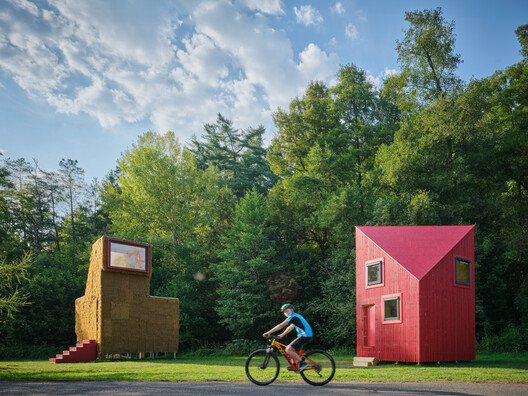
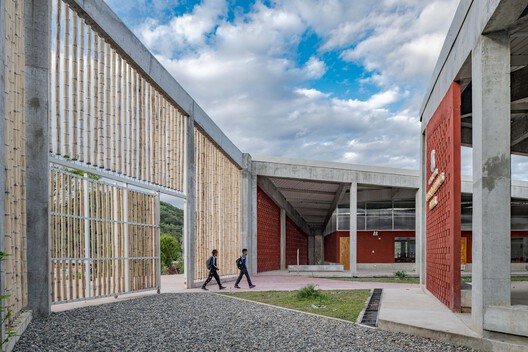
Cabin Fever 2025 Installations / Hello Wood

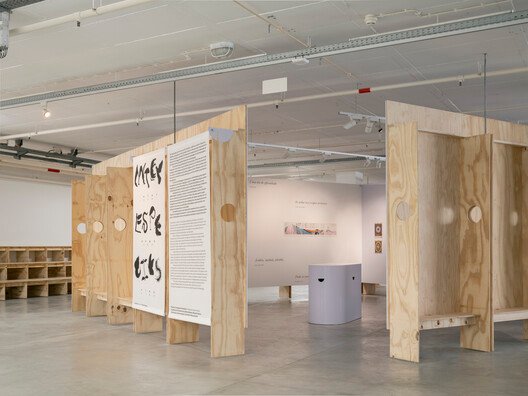
Cabin Fever is an international summer school and festival launched by the Hungarian architecture studio Hello Wood, known for its design-build approach and community-focused, sustainable projects. Since its founding in 2010, Hello Wood has become a global platform merging hands-on education with socially engaged architecture. The 2025 edition, powered by VELUX, explored how light and space shape human experience — placing presence, intimacy, and connection at the centre of architecture. This dialogue with VELUX reflects a shared conviction: that the future of building lies in responsibility — in creating spaces with care, with awareness, and with light — offering meaningful alternatives in an overstimulated world. 2025 Concept, Location, Participants. From 23–31 July 2025, the festival took place in ÄŒeská Kamenice, Czech Republic, on the grounds of a former textile factory and wartime labour camp — a place that embodies both the weight of memory and the potential for transformation. Under the theme “Quality Time – Connection to Each Other”, participants were invited to explore how design can strengthen our relationships with each other and with the places we inhabit.

Read More »

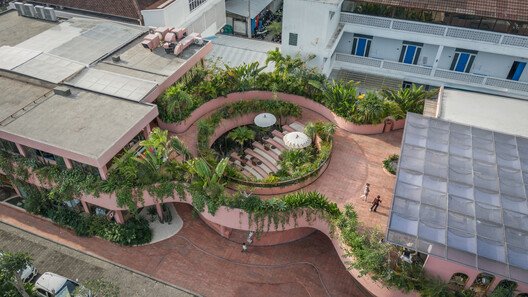
The Luc Lifestyle / Atelier Generations Vasudeva Design

The LUC Lifestyle is envisioned as a contemporary destination that seamlessly blends food and beverages, fashion, fragrance, aesthetic dental care, and traditional Balinese craftsmanship into a single elevated experience. Its core design idea is to create a vibrant hub that reflects the dynamic, international energy of Canggu while honoring the island’s cultural identity. This vision guided not only the lifestyle concept but also the architectural language that defines the entire development.

Read More »

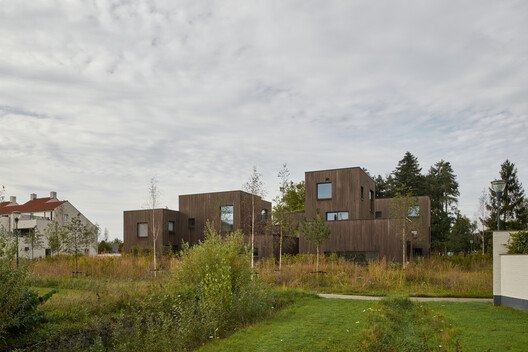
Bosrijk Houses / Marcel Lok_Architect

Bosrijk is a residential area west of the city of Eindhoven, located on a former military defense site. Housing in Bosrijk is designed as ‘sculptures in a garden’. For a small plot next to an existing natural rainwater infiltration facility, the office designed a sculpture with five single-family homes, in which the idea of ‘living in a forest landscape’ was the leitmotif.

Read More »

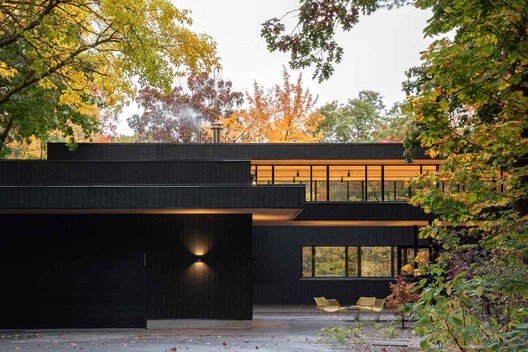
Deep Tones and Natural Roots: 22 Shou Sugi Ban Homes Across the US and Canada

Shou Sugi Ban is a traditional Japanese technique for wood preservation that involves charring the surface of timber to create a protective layer. While its origins are rooted in practical durability, the method has been widely adapted into the modern built environment and shapes a unique and distinctive aesthetic. It is a material of contradiction: it remains bold in its visual language due to its dark tones, yet it simultaneously borrows from and complements its natural surroundings, allowing houses to settle quietly into their sites.

Read More »

House in the Woods / Espinoza Carvajal Arquitectos

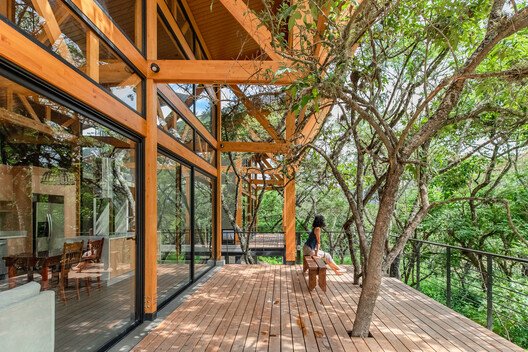
Leaving behind the urban fervor of Quito requires a slow decantation, a change of pace where asphalt finally yields to the vegetation of the dry steppe. In the Guayllabamba valley, architecture does not seek to conquer the land but to coexist with it; the House in the Forest arises from this premise, not as an imposed structure, but as a device for inhabiting time. The project is best understood under the logic of the “nest”: a structure that weaves intergenerational memories and, instead of settling heavily, decides to levitate over a landscape that it barely disturbs.

Read More »

Reimei Kobashi Pedestrian Bridge / Hoshino Architects

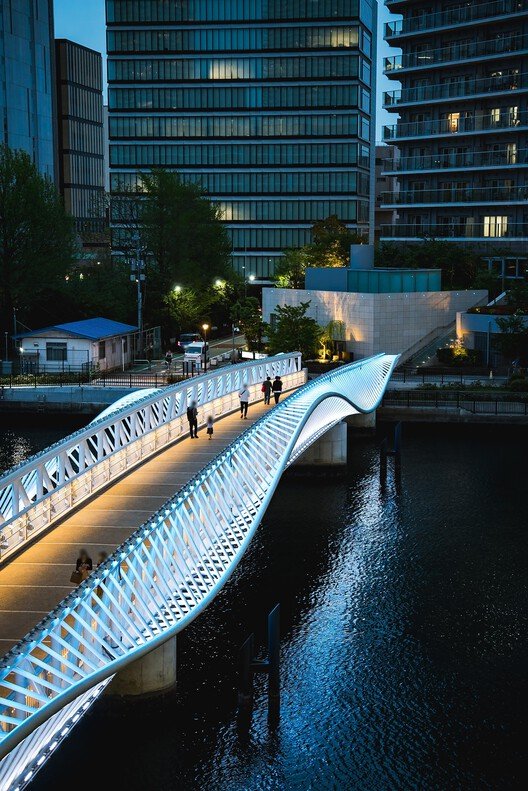
The Reimei Kobashi footbridge, which connects Kachidoki Station and Harumi 3-chome in Tokyo’s waterfront district, opened to the public on March 25, 2024. This footbridge crosses the Asashio Canal to Grand Marina Tokyo, with a soft arching design reminiscent of gentle waves rolling over the water’s surface.

Read More »

Building at the Edge: New York and Hong Kong’s Competing Waterfront Logics

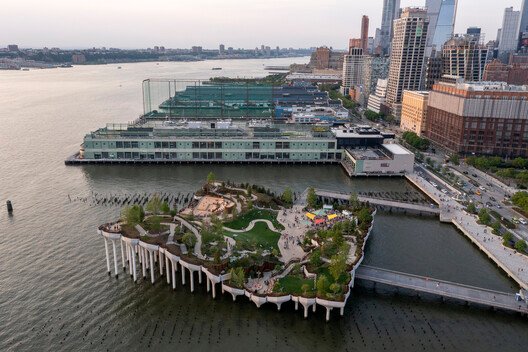
Coastal development in major cities has long been a terrain of opportunity and contention—shaped at once by the pursuit of capital (premium views, scarce land, and the promise of reclamation), by civic demands for public access and collective waterfront life, and by contemporary aspirations for sustainability and place-defining urban identity. Precisely because these agendas rarely align, extracting the full potential of waterfront sites is never straightforward.

Read More »

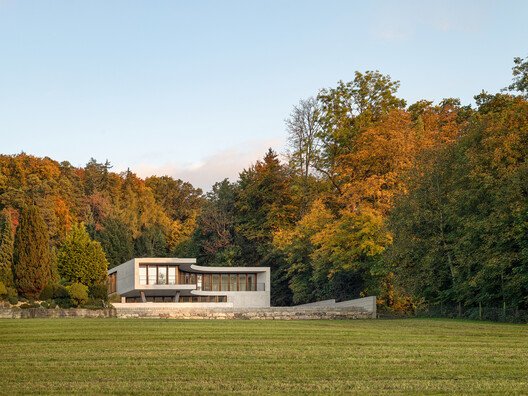
Winkelhaus / estudio kmmk

A House shaped and powered by nature – Winkelhaus is the inaugural project of estudio kmmk in Switzerland. The single-family home was shaped by its stunning natural surroundings and by the family’s vision of having something specific to their needs. The house forms a harmonious relationship with the adjacent forest and expansive valley.

Read More »