
When we think about staircases, it can be tempting to see them as merely a functional structure to help us navigate between one floor and another. The reality is that staircases are far more than this: in fact, they’re critical architectural element that shapes the flow, functionality, and aesthetic of your home. Whether you’re updating
The post Staircase Renovation Guide: An Expert Reveals How to Refurbish an Existing Staircase appeared first on Build It.
When we think about staircases, it can be tempting to see them as merely a functional structure to help us navigate between one floor and another. The reality is that staircases are far more than this: in fact, they’re critical architectural element that shapes the flow, functionality, and aesthetic of your home.
Whether you’re updating a tired-looking flight, planning a complete repositioning, or futureproofing for a loft conversion, tackling the staircase can bring surprising benefits and can have a huge impact on your home and its interior. That said, it is not a light undertaking. From spatial logistics to Building Regulations, there are plenty of practical considerations.
In this guide, we’ll explore the full spectrum of staircase renovation – from easy changes through to complex repositioning – offering design inspiration, cost insights and expert advice to help you make informed choices.
Jump to staircase renovation FAQs answered
What does a staircase renovation involve?
Let’s start with the basics; sometimes a staircase doesn’t need a complete overhaul to feel new. If your existing flight is sound and safe, cosmetic changes can deliver a big visual return for relatively little investment. You can absolutely tackle some of these elements yourself, should you feel confident enough to take them on. Although it might be a little fiddly and time consuming, it can be incredibly satisfying at the same time.
Balustrades
Swapping dated spindles for sleek metal uprights or minimalist glass panels can help modernise the look and open up light flow. Timber handrails can be stripped, restained or painted for a fresh feel. Painting treads (the part you stand on) and risers (the vertical part of the step) in bold or contrasting tones can add instant personality (though be prepared that paint may wear over time with traffic) – and a runner adds softness, grip and style.
Before deciding on a new balustrade style – whether it be spindles, metal or glass – consider the interfaces and fixings. Toughened glass is a sought-after option thanks to the material’s strength and capability to improve light flow between floors. Swapping spindles for glass when undertaking a staircase renovation can be a significant investment, so compare quotes and factor in the cost of how the glass joins the treads. For example, whether you go for visible clamps or a seamless inline design, plus whether the glass is clear, frosted or coloured.

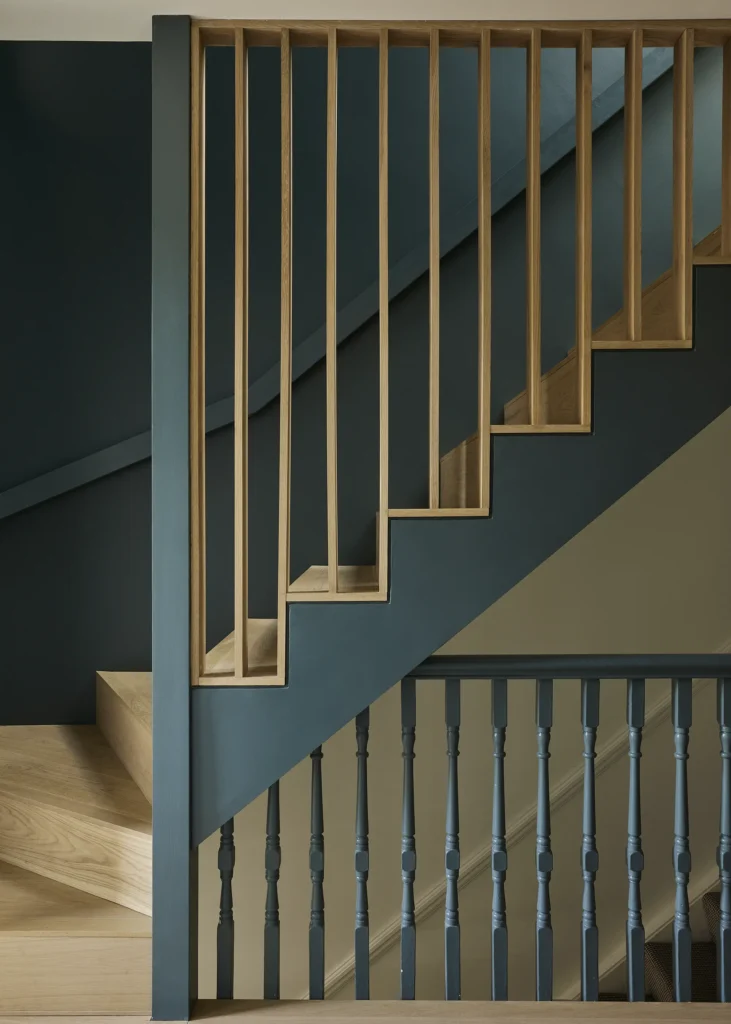
As part of an urban loft conversion project, Yard Architects created a bespoke timber balustrade that contrasts directly with the period character of that below. Slender oak balusters draw on the proportions of the turned originals and the oak detailing provides a crisp addition to the interiors. Photo: Chris Snook
Staircase treads
Tread cladding is another option if your staircase is structurally solid but isn’t that appealing to look at. For a classic look, you can cover existing steps with engineered timber or even luxury vinyl. This works especially well in homes where you’re coordinating with new flooring and want to tie the whole look in to create better cohesion.
Lighting
Lighting can also play a big role in making your staircase stand out. Adding LED strip lighting along the handrail or low-level riser lights can create a dramatic evening effect and improve safety. That said, this would typically only look at home in a more modern dwelling.
How much do easy staircase renovations cost?
Staircase costs can be tricky to estimate as they will vary vastly depending on size of the project, materials used and even location of the house. For example, hiring a professional painter typically costs over £200 per day, while cladding the existing steps could range from £1,000 to £2,500.
If you’re looking to save money, some tasks can be done yourself on a DIY basis – such as painting the staircase or stripping the old paint – which can significantly reduce costs. Additionally, upgrading to new handrails and glass balustrades could cost up to £2,000.
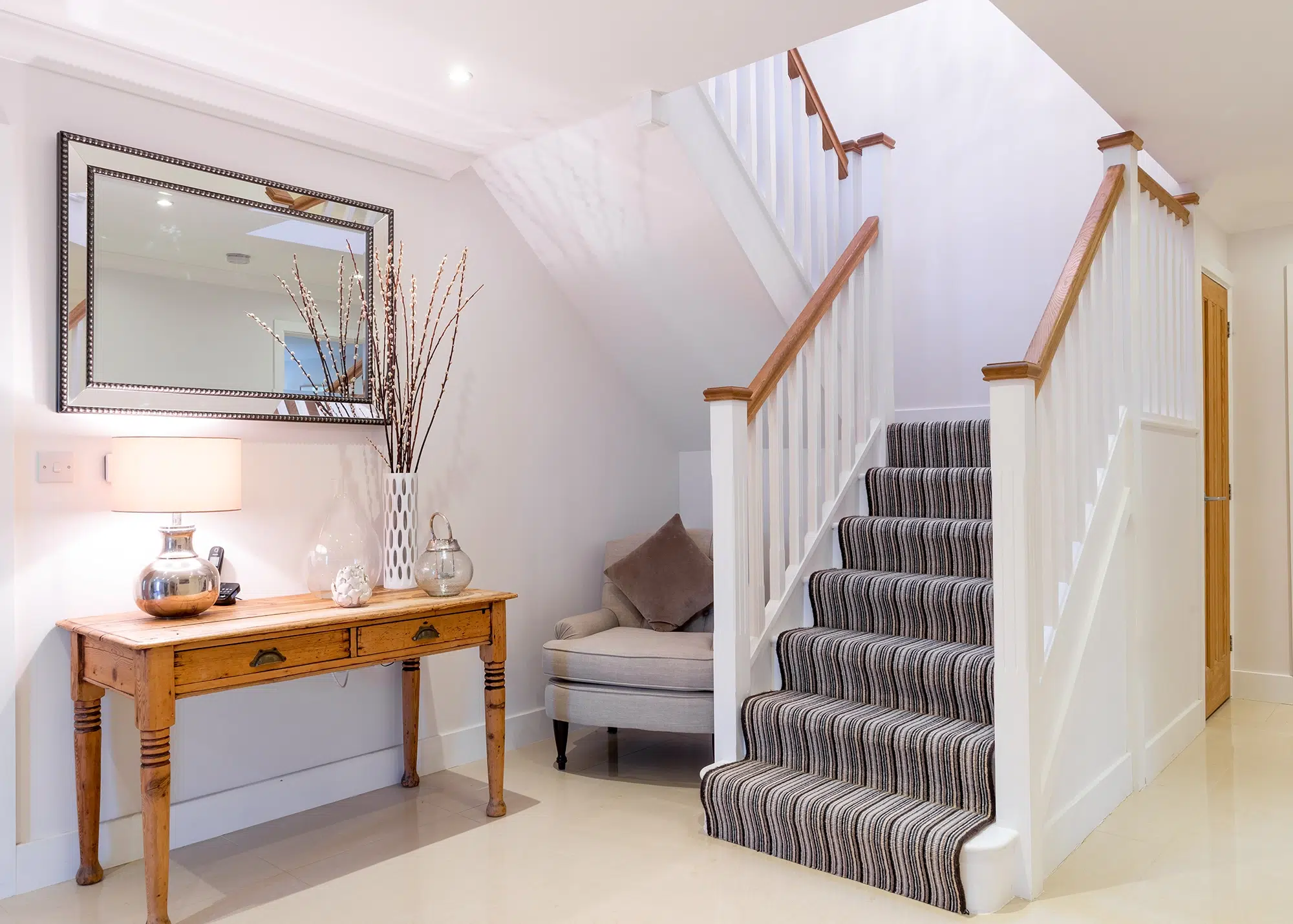
These stunning stairs were beautifully refreshed by David Smith St Ives. Stripping back the original spindles and banister, they’ve been reimagined with fresh materials to give them a modern look
The post Staircase Renovation Guide: An Expert Reveals How to Refurbish an Existing Staircase appeared first on Build It.