
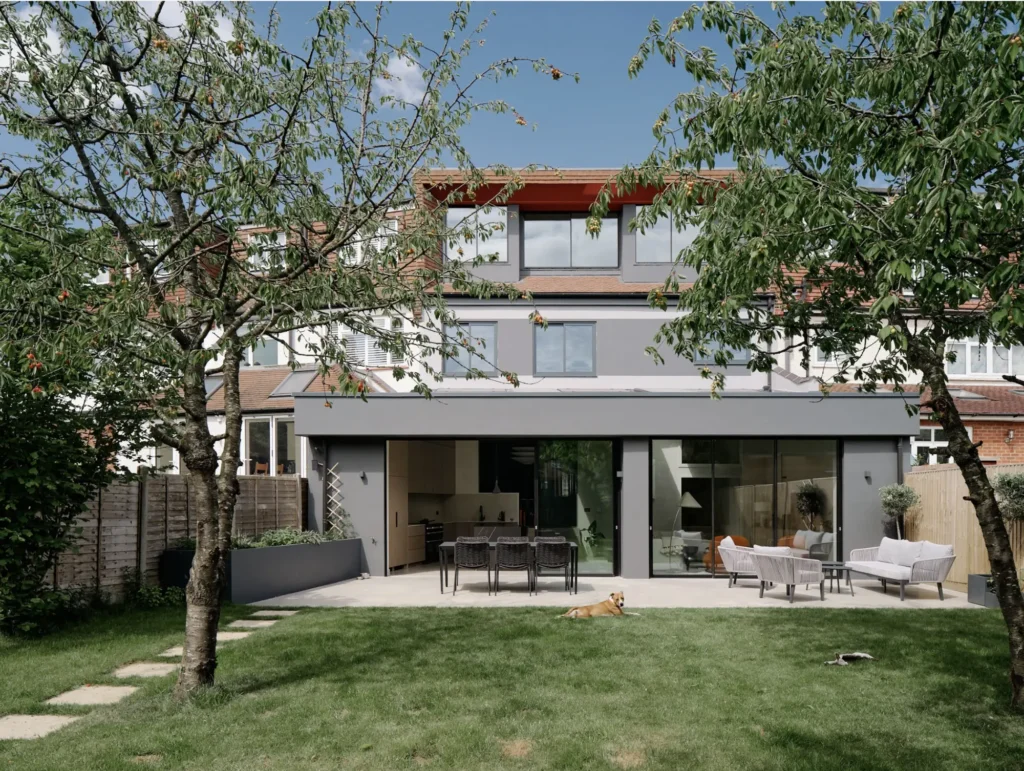
The term retrofit means different things to different people. It could be anything from targeted insulation upgrades to a full back-to-brick renovation, but its core is about improving performance and comfort. Whatever the scale, the starting point should be the same: understand the house before deciding what to do to it. Age, construction type, condition,
The post How to Plan & Schedule a Home Retrofit: The Key Steps for a Successful Project appeared first on Build It.
The term retrofit means different things to different people. It could be anything from targeted insulation upgrades to a full back-to-brick renovation, but its core is about improving performance and comfort. Whatever the scale, the starting point should be the same: understand the house before deciding what to do to it. Age, construction type, condition, previous alterations and planning constraints will all shape what’s realistic to achieve.
Prioritising the motivating factors behind your project can also help you identify the best improvements, as well as the sequence in which you carry them out. So, what’s your main reason for doing the retrofit: lower bills, a warmer home, tackling damp or reducing reliance on fossil fuels? Pinpointing these drivers will also help you decide how far to go with each upgrade.
There’s no such thing as the perfect retrofit. The right approach comes from investigating the dwelling, understanding your retrofit goals and planning measures in the right order, to the right level – with your renovation budget focused where it’ll have most impact.
What’s driving your decision to undertake a retrofit?
Project costs, scale of work, buildability, timing, disruption, design and permissions will all shape your early decision-making. “Budget and scope are two of the most important factors that’ll influence your retrofit,” says William Tozer, founder of William Tozer Associates. “For instance, you might find that the most sustainable materials aren’t necessarily affordable to you.”
For most of us, our ideal-world retrofit scenario probably represents more than the budget can sensibly carry, so separate your goals into clear categories, such as must fix, must deliver, worth doing while the building’s open, enable for later, and leave out for now.
“Consider critical repairs and what can be done to improve your life immediately, rather than focusing only on cosmetic upgrades,” says William. “While there’s always an urge to fully retrofit and refurbish a home, there is much to be said about living in a house and carrying out works over a longer period. This approach allows you to learn about your home and accept its quirks, and often makes you realise that perhaps some things can stay the way they are.”
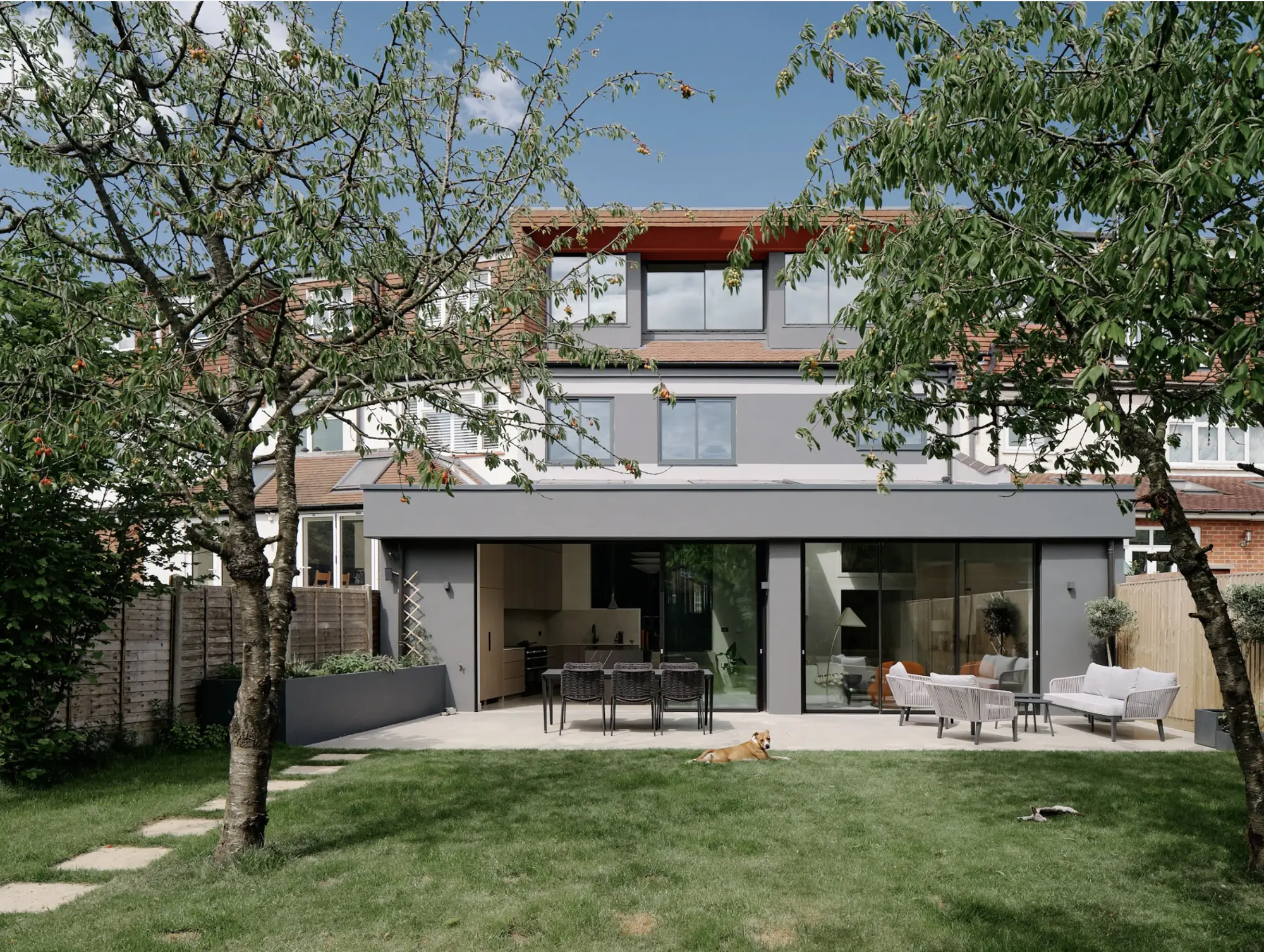
RISE Design Studio created the masterplan for the deep retrofit of this 1930s property. High-spec insulation was added to reduce heat loss and improve comfort. An air source heat pump, solar PV panels and an MVHR system formed part of the wider low-energy strategy. The house now has an A rating on its Energy Performance Certificate (EPC). Photo: Henry Woide
The post How to Plan & Schedule a Home Retrofit: The Key Steps for a Successful Project appeared first on Build It.