
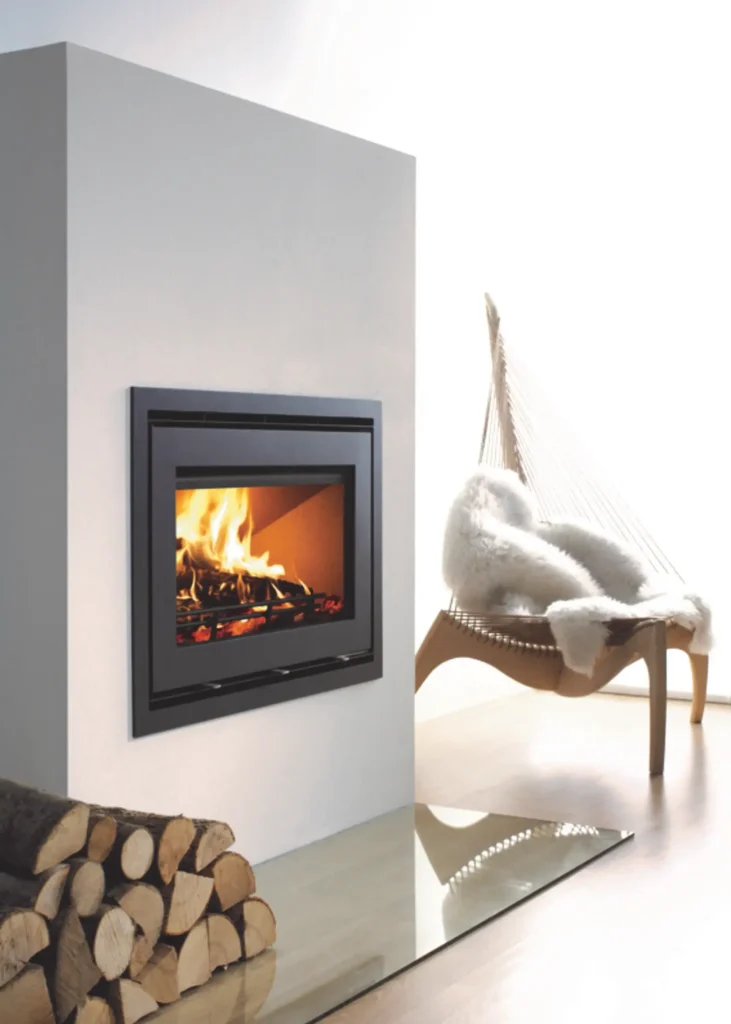
Throwing a log onto a crackling fire feels like a quintessentially homely scene, but choosing a stove is no longer simply about picking your preferred fuel. Today’s options range from solid-fuel appliances such as woodburners, multi-fuel and pellet stoves through to gas, electric and bioethanol models, each with different implications for installation, control, storage, ventilation and
The post How to Choose the Right Fuel Type for Your Stove or Fireplace appeared first on Build It.
Throwing a log onto a crackling fire feels like a quintessentially homely scene, but choosing a stove is no longer simply about picking your preferred fuel. Today’s options range from solid-fuel appliances such as woodburners, multi-fuel and pellet stoves through to gas, electric and bioethanol models, each with different implications for installation, control, storage, ventilation and day-to-day use. The right choice depends on how you want the appliance to work in your home, as much as the fuel it uses.
Here I’m looking at the different types of stove on offer and which one might be right for your specific project, including:
- Woodburning stoves
- Pellet stoves
- Multi-fuel stoves
- Gas stoves
- Electric stoves
- Bioethanol stoves
Woodburning stoves
Woodburning stoves remain the classic choice if you want the radiant warmth and ritual of a real fire. But they are hands-on, and output can be harder to control – a key consideration in a high-performance home. “If you want to sit by a cosy hearth on a Saturday night, they’re perfect, but most people overlook how much work is involved with firewood – stacking the logs, laying the fire, and clearing it out,” says John Nightingale, managing director at Stoves Online. Look for Ready to Burn logs, which have a less than a 20% moisture content for cleaner, easier combustion that won’t emit as much smoke.
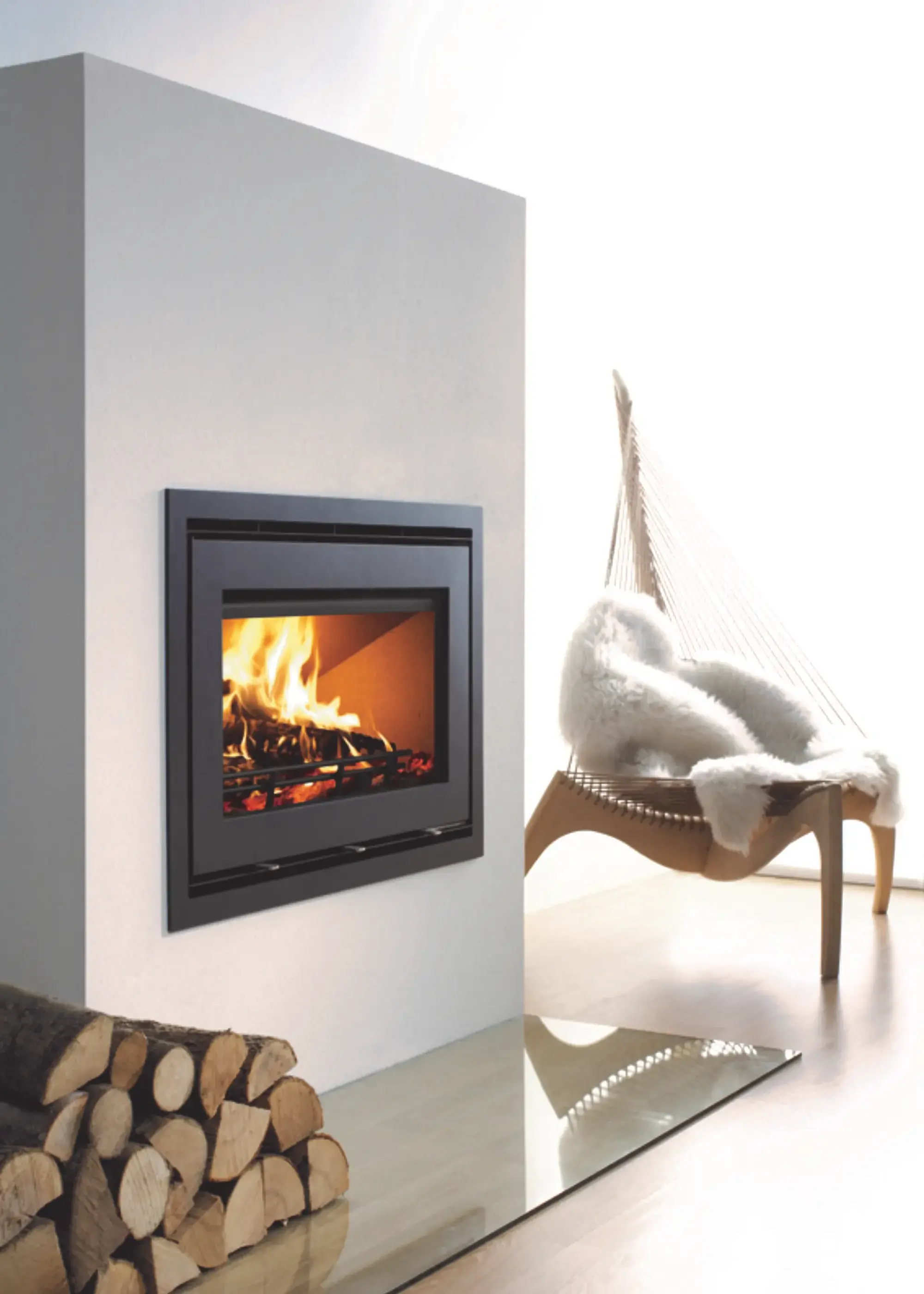
Raised off the ground and fitted almost flush to the wall, the woodburning Westfire Uniq 32 from Eurostove looks sleek and heats your room with a 7kW output
If you like the idea of a woodburner but want more predictable performance, heat logs or wood briquettes can be a useful alternative. They suit the same appliances as traditional firewood, but good-quality versions can offer a cleaner, hotter and longer burn – which means less frequent loading and ash. However, they need very dry storage, as damp can cause them to swell, crumble and become difficult or unsuitable to burn.
The post How to Choose the Right Fuel Type for Your Stove or Fireplace appeared first on Build It.