Rethinking Public Space Through a Skateboarder’s Eyes

how skateboarding is redefining urban space 39 IUG4rY

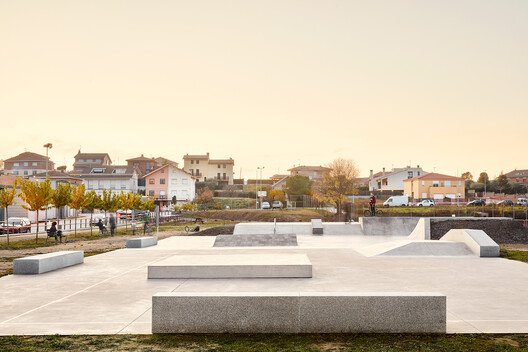
Created by California surfers who wanted to bring the lines of surfing onto asphalt, skateboarding soon outgrew its role as a simple alternative for flat days. It established itself as a practice that reads the city through a different logic, reinterpreting steps, handrails, walls, and interstitial spaces as possible lines, challenges, and opportunities. Over time, it evolved into a global urban culture, a way of inhabiting and transforming public space through movement. What was once marginal has become a catalyst for urban activation, community building, and new uses for overlooked spaces. At its core, skateboarding reveals how many cities coexist within the same city, depending on who moves through them and how each person is able to reinterpret their surroundings.

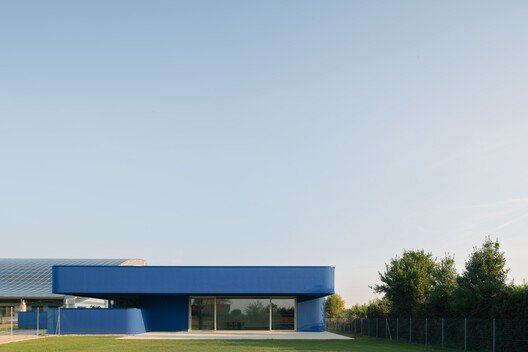
Noventa Vicentina Blue Kindergarten / MD41

hires.tobias.kaser .001 min hJpHmE

In Noventa Vicentina, a new kindergarten reimagines the educational experience, turning architecture into an ally for growth and discovery. Realized with the support of PNRR funds, the building stands on a 2,300 m² plot with a constructed area of 750 m². Its compact yet generous volume is oriented toward the large eastern garden, the true green heart of the school.

The 2025 Venice Architecture Biennale Ends, Marking the Event’s Most Visited Edition

the 2025 venice architecture biennale ends marking the events most visited edition 8 KT6y5o

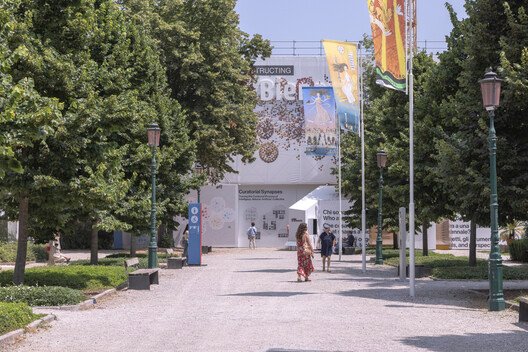
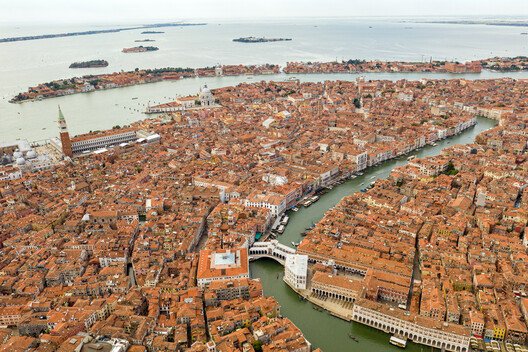
The 19th International Architecture Exhibition of La Biennale di Venezia, “Intelligens. Natural. Artificial. Collective.,” curated by Carlo Ratti, closed on 23 November 2025 as the most visited Architecture Biennale to date. The exhibition recorded 298,000 visitors, in addition to 17,584 preview attendees, surpassing previous editions despite the temporary closure of the Central Pavilion for restoration. Bringing together 303 projects and 758 invited architects, along with 66 National Participations and 11 Collateral Events, the edition extended across the Giardini, Arsenale, and multiple sites throughout Venice.

Where Every Centimeter Counts: How Tiny Bathrooms Inform Spatial Design

where every centimeter counts how tiny bathrooms teach expansive design lessons 5 uSJ3Ro

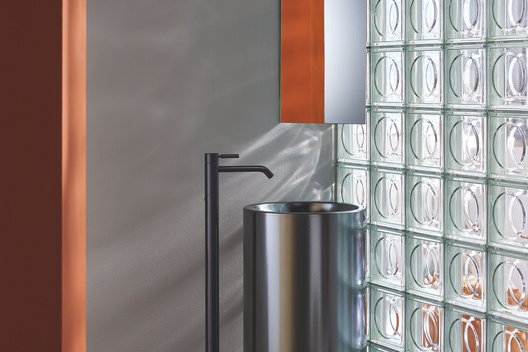
Are living spaces getting smaller? As cities densify and the global population continues its steady migration toward urban centers—projected to reach around 70% by 2050—domestic space is becoming increasingly compressed. Rising land prices, high construction costs, and a surge in single-person households push developers toward smaller units and tighter floor plans. At the same time, cultural shifts toward resource efficiency and minimal living support this move. Shrinking living spaces require fewer materials, consume less energy, and encourage people to live closer to their means.

House for two DJs / Atelier Matteo Arnone

04 Quinta do alamo Matteo Arnone Federico Cairoli sCOPsZ

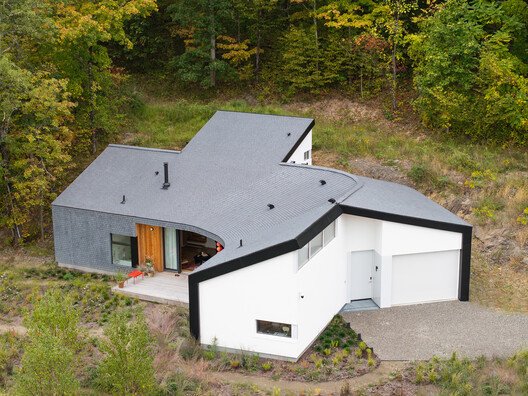
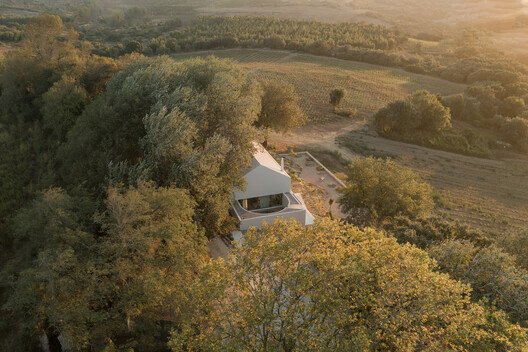
The project by Atelier Matteo Arnone for Quinta do Álamo represents a dialogue between past and present, between the memory of the winemaking tradition and the modernity of a house designed for two DJs. Located in Carnota, in the municipality of Alenquer, just 40 minutes from Lisbon, the Quinta is surrounded by vineyards that tell a long history of wine production, offering a unique natural and cultural setting.

The Venice Biennale Over Time: Classic Projects and Stories from Architecture’s Most Iconic Exhibition

a bienal de veneza ao longo do tempo projetos classicos e historias curiosas que marcaram a exposicao mais famosa do mundo 16 I64nHG

Since 1895, the Venice Biennale has invited the world to witness the evolving landscape of contemporary art. In 1980, the event expanded its reach with the launch of the Architecture Biennale, which quickly became one of the discipline’s most influential global platforms. Today, alternating annually between contemporary art and architecture, the Biennale affirms itself as a space where disciplines and ideas intersect. Always timely and provocative, it fuels essential debates on the role of art and architecture in the contemporary world. Among its most recent editions are the 17th Architecture Biennale, themed How Will We Live Together? (2021), curated by Hashim Sarkis; The Laboratory of the Future (2023), by Lesley Lokko; and Intelligens. Natural. Artificial. Collective (2025), curated by Carlo Ratti and open to the public until the end of November.

Het Streek Lyceum School / Atelier van Berlo + Ector Hoogstad Architecten

Het Streek Lyceum Ede 06 kdkvEd

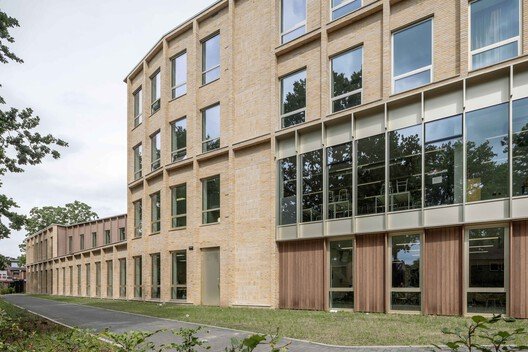
Atelier van Berlo and Ector Hoogstad Architecten designed Het Streek Lyceum in Ede. The new building redefines the secondary school as a social and spatial heart for both students and the wider community. Designed by Atelier van Berlo and Ector Hoogstad Architecten, the building fosters encounters, vitality, and a sense of belonging within a compact and circular design.