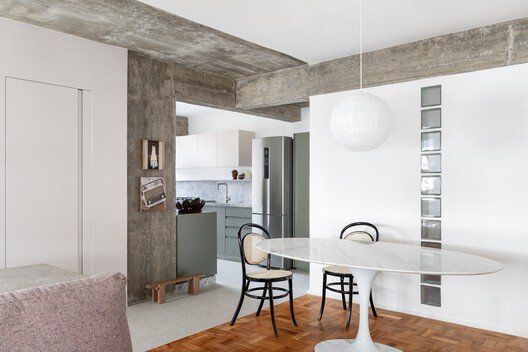
Araruama Apartment / Estúdio OLO
In this complete renovation project, a 60m² apartment breathes new life, revealing a narrative that delicately blends past and present through architectural finesse.

In this complete renovation project, a 60m² apartment breathes new life, revealing a narrative that delicately blends past and present through architectural finesse.
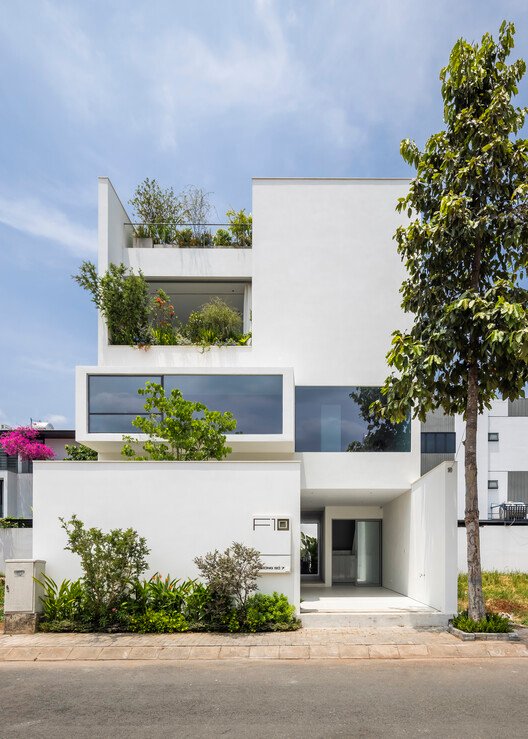
In Vietnam’s accelerating urbanization, particularly in Ho Chi Minh City, the proliferation of new residential quarters has alleviated acute housing shortages yet frequently perpetuated obsolete typologies. Many developments recycle standardized house models from two to three decades past, failing to address contemporary demands adequately for spatial comfort, natural ventilation, daylight penetration, aesthetic sophistication, and personalized habitation.
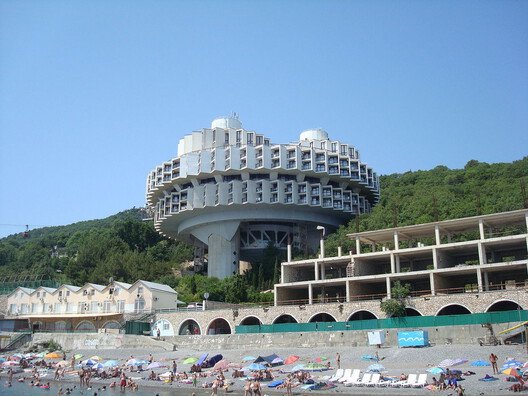
Perched above the cliffs of Crimea, the Druzhba Thermal Sanatorium appears less as a building than as a landed spacecraft. Its circular forms, suspended decks, and spiraling ramps evoke a scene from Andrei Tarkovsky’s Solaris (1972), where architecture and psychology merge into a single landscape. Built between 1978 and 1985 by Igor Vasilevsky, the complex was conceived as a thermal resort for workers of the oil industry, part of the Soviet Union’s extensive network of sanatoria dedicated to health and recreation.
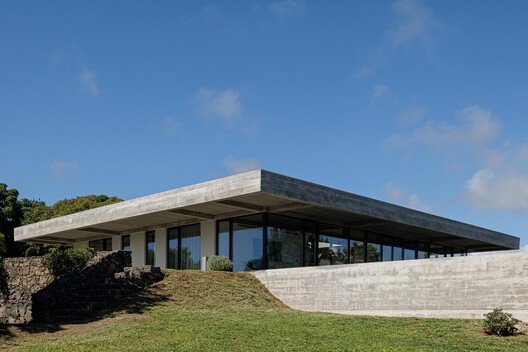
House CR was born from the unlikely meeting between experience and the will to start over. The clients, a couple in their 80s, decided to build a new home. That alone inspired us.
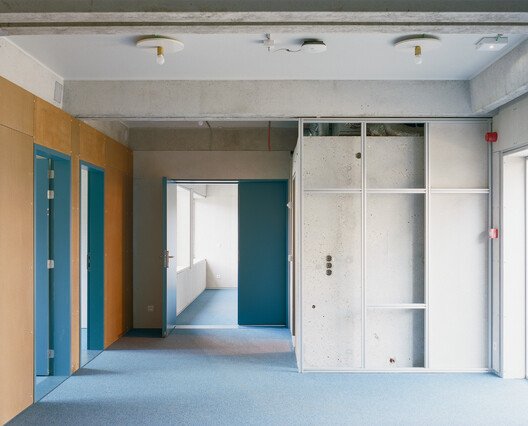
The more than 300 modular student dormitories on the VUB campus, designed by modernist architect Willy Van Der Meeren in 1972, were once at risk of demolition. Today, the twelve modules included in this project not only act as a catalyst for preservation but also guide the transition of the remaining buildings towards a circular renovation model.
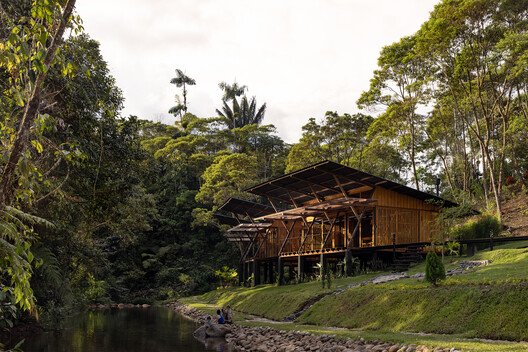
Hoguera de Madera is conceived as a shelter for a family who chooses to rethink their conventional way of living within the city. This reflection leads them to seek an alternative lifestyle, envisioning a space integrated with nature, a place capable of renewing and enhancing their human and professional qualities.
Two weeks and over 85,000 nominations later, the finalists of this year’s Building of the Year Awards are in. The selection is much like the ArchDaily audience that chose it: diverse in geography, generous in ideas, and precise in intent. With projects from 46 countries, in a variety of typologies and scales, they present a beautiful snapshot of the current architectural moment.
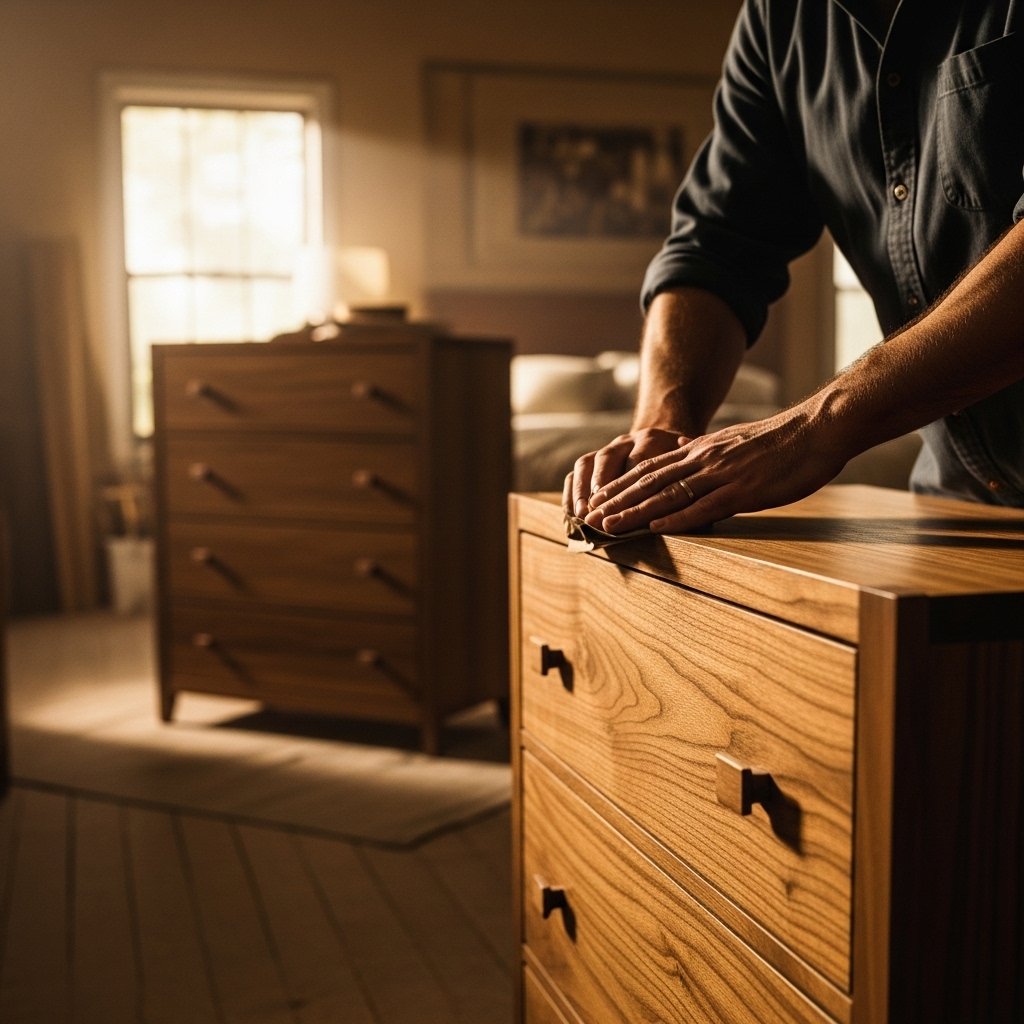
The Furniture Built to Last a Lifetime: The Vaughan Bassett Story When you think about the furniture in your home, what comes to mind? For
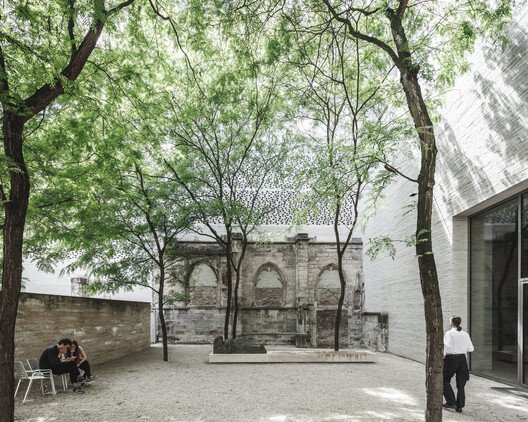
Preserving historic buildings requires simultaneously addressing technical, environmental, and regulatory demands while maintaining the material, cultural, and symbolic continuity of what already exists. As the understanding consolidates that the most sustainable building is the one that is already standing, and that preservation also involves construction knowledge, material traditions, and the social fabrics from which they emerged, these same buildings are increasingly confronted with more rigorous contemporary parameters. Energy efficiency, safety, carbon emission reduction, and regulatory compliance have become unavoidable references, placing architecture before a central tension: how to update what already exists without breaking the continuity that sustains its heritage value.
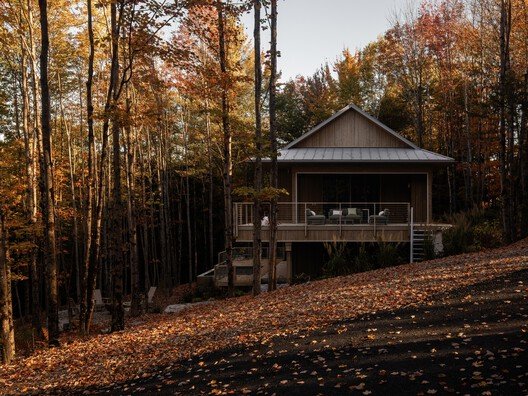
Set on a maple-wooded site, the land slopes gently toward a valley where a river traces its course at the base of the terrain. It is within this natural movement of the ground that Perchée takes shape—a house that favors restraint over imprint, and whose siting strategy seeks, above all, to limit clearing in order to preserve the site’s most valuable quality: the feeling of being truly immersed among the trees.