
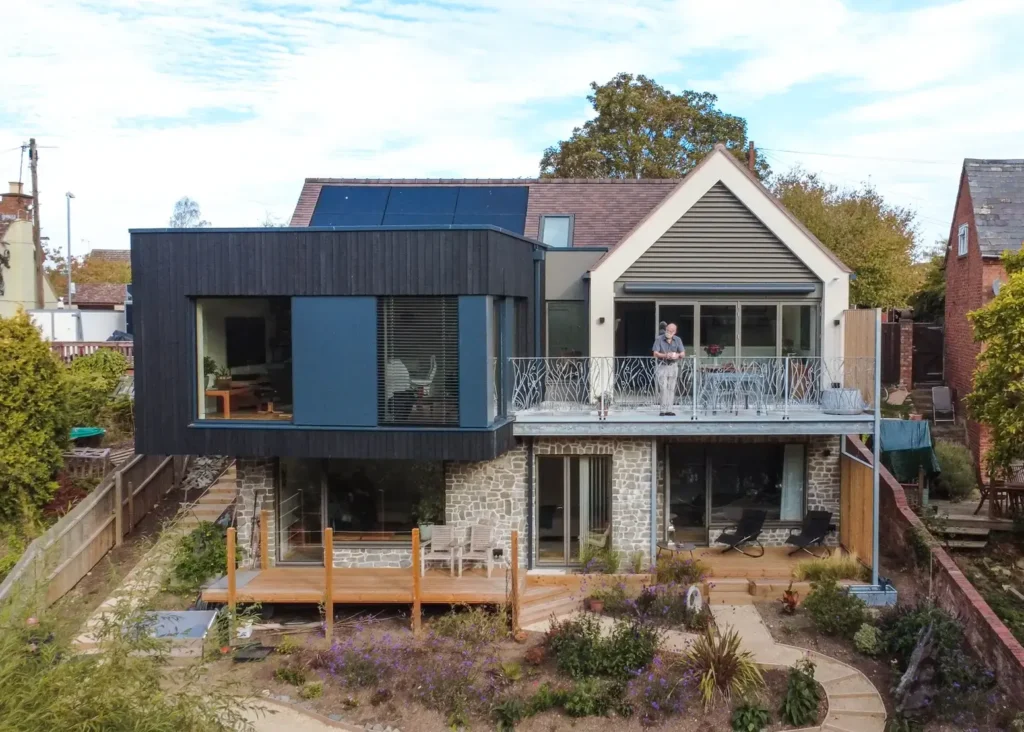
There’s a slightly uncomfortable truth about self building that, in my opinion, doesn’t get talked about enough: building projects are hard to manage. Run right, they feel controlled and predictable. When they’re not properly coordinated, the opposite happens: delays stack up, costs creep, mistakes happen and stress levels rise. Good project management is what keeps
The post Do You Need a Professional Project Manager for Your Self Build? An Expert Shares the Benefits appeared first on Build It.
There’s a slightly uncomfortable truth about self building that, in my opinion, doesn’t get talked about enough: building projects are hard to manage. Run right, they feel controlled and predictable. When they’re not properly coordinated, the opposite happens: delays stack up, costs creep, mistakes happen and stress levels rise.
Good project management is what keeps a build on track. Without it, even relatively straightforward builds can drift off course surprisingly quickly. The core role of a project manager (PM) is to look after the scheme and protect your interests. It sounds obvious, but it’s often misunderstood. Most people assume that their builders are running the job, or the architect is overseeing things on site. Sometimes they are – to a degree – but neither is truly independent in the way a dedicated project manager is.
A professional PM sits between you and the people carrying out the work on your scheme. They coordinate designers, manage contractors, control costs and keep the build moving. More importantly, they make decisions or guide you through them and deal with issues before they risk turning into expensive problems – rather than pressing ahead and explaining them afterwards.
In this guide I’m looking at the different benefits of hiring a professional project manager for your self build, and whether this route could be right for your scheme.
Which project management style is right for your build?
One of biggest misconceptions with project management is that it means the same thing on every job. It doesn’t. At one end of the spectrum, you have traditional contract administration, often used on architect-led projects with a main contractor. The project manager, who is usually the architect, focuses on managing the contract, issuing instructions, certifying payments and ensuring the builder is delivering what was agreed. It’s a formal and largely office-based approach, with periodic site visits.
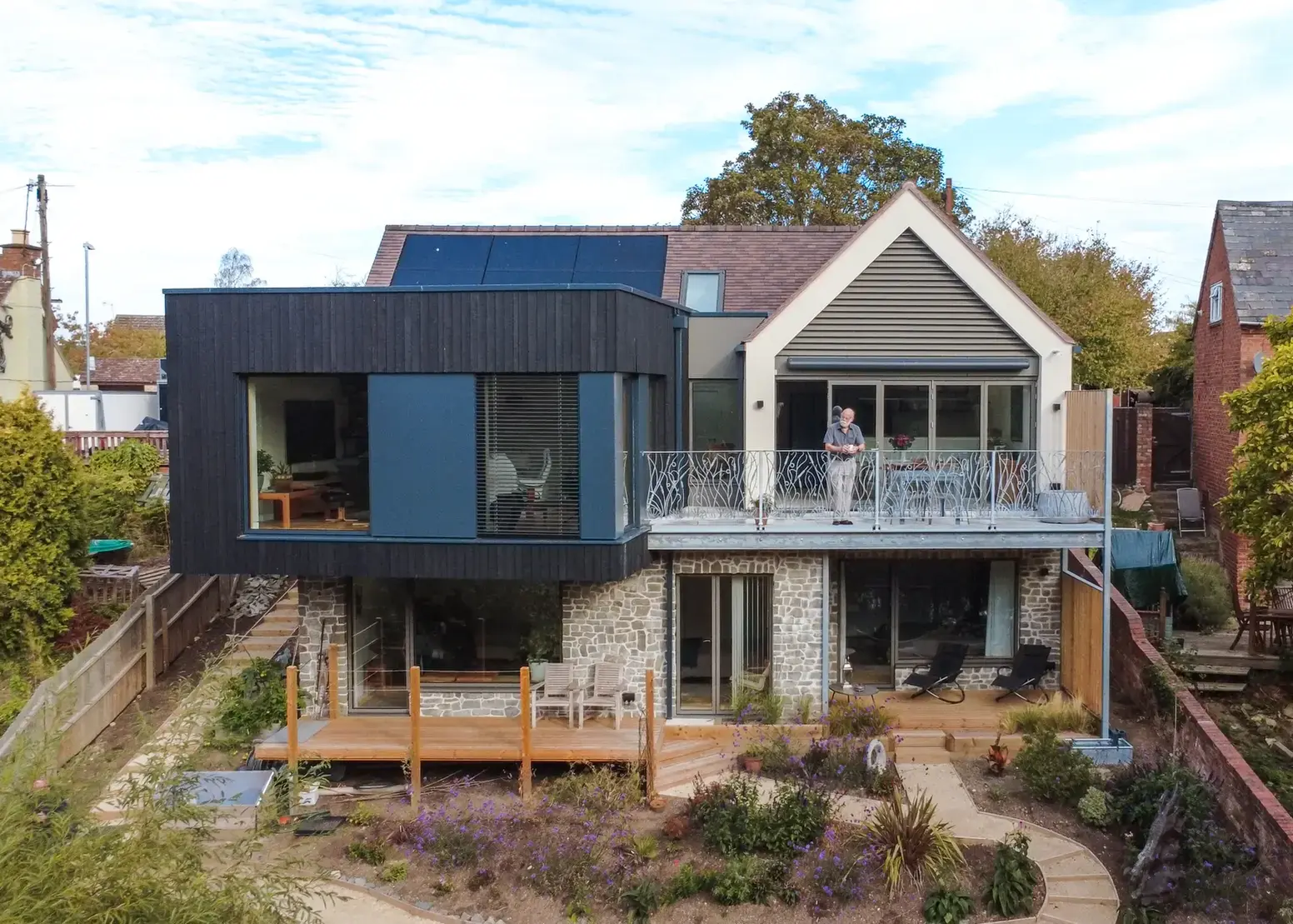
Serial self builders Frank Ainscow and Kerry Mashford have always been at the forefront of innovative sustainable building technologies in previous homes and had their hearts set on a Passivhaus for their final project. The spectacular home was designed by Habitat+ Architects, who also took on project management duties. Photo: Habitat + Architects
At the other end, particularly on self build projects, there’s a far more hands-on route. This is where a project manager is heavily involved with day-to-day site activity, coordinating trades, sequencing works, solving practical problems, keeping up momentum on site and sometimes even rolling their sleeves up when needed.
Both project management models can work well. But in truth they suit very different types of client and project. The best option comes down to how much direct control and involvement you want to have, and how much time you realistically can give to the project.
The post Do You Need a Professional Project Manager for Your Self Build? An Expert Shares the Benefits appeared first on Build It.