
The Furniture Built to Last a Lifetime: The Vaughan Bassett Story
When you think about the furniture in your home, what comes to mind? For many of us today, it’s that flat-pack bookcase we assembled in a hurry, or the trendy side table that wobbled after a year. There’s a sense that so much of what we live with is temporary. But what if furniture could tell a different story—one of patience, skill, and lasting presence? That’s where Vaughan Bassett comes in.
In a world rushing toward faster, cheaper, and disposable, this company feels like a quiet conversation with a craftsman. It’s not just about selling bedroom sets; it’s about a promise. A promise that what you bring into your home is meant to stay, to age with you, and to become part of your family’s story.
It All Started in a Small Virginia Town
Back in 1919, in Galax, Virginia, Vaughan Bassett began as a local workshop. Imagine that era—the care, the hands-on attention, the pride in creating something tangible. While the world changed around them, that workshop grew but never lost its soul.
And here’s what’s remarkable: when countless other companies moved production overseas to cut costs, Vaughan Bassett made a choice. They stayed. They kept their factories in Virginia and North Carolina, protecting jobs and preserving a way of building that feels honest and grounded. That choice wasn’t just about business—it was about identity.
The Weight of Real Wood
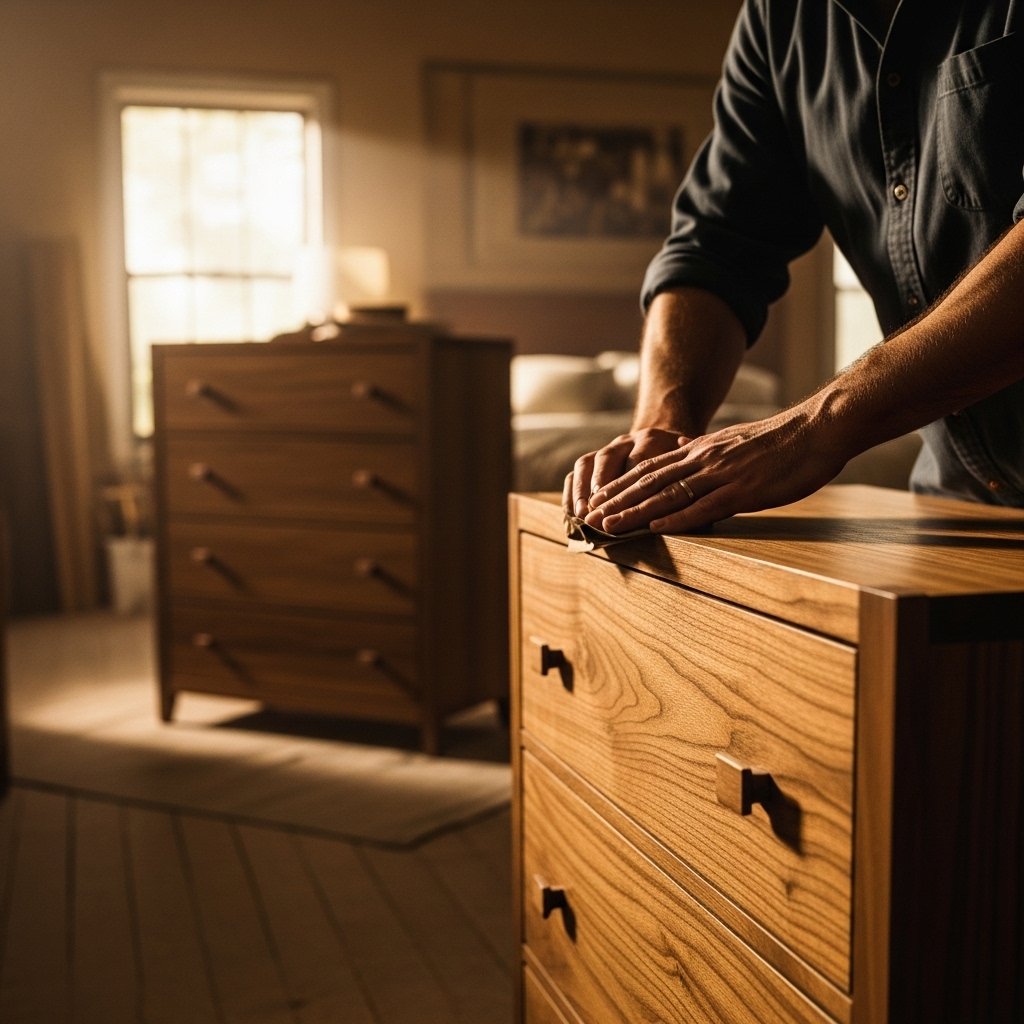
You can feel the difference the moment you approach a piece. This isn’t lightweight or hollow. It’s substantial. Vaughan Bassett uses solid American hardwoods—oak, maple, cherry, birch—sourced from forests in the Southeast. The grain isn’t printed on; it’s the real, beautiful fingerprint of the wood.
Open a drawer. It glides smoothly, and you’ll notice the dovetail joints—a time-tested technique that means that drawer isn’t going to sag or fail in a few years. This is furniture built with the understanding that life happens: kids will climb, you’ll rearrange the room, you might move houses. It’s meant to withstand all of it.
Good Stewards, Not Just Good Builders
Long before “sustainable” was a label everyone wanted, Vaughan Bassett was quietly doing the work. For every tree harvested, a new one is planted. They source wood locally where possible, reducing their footprint and supporting nearby forestry communities. It’s a thoughtful cycle—respect for the material, respect for the land, and respect for the people who depend on it.
Design That Feels Like Home
While best known for bedrooms—dressers, beds, nightstands—their designs speak a language of timeless comfort. You’ll find clean lines, warm finishes, and a quiet sophistication that doesn’t shout for attention. There are pieces with a farmhouse soul, others that blend classic and contemporary, and some that feel light and coastal.
The goal isn’t to be the most fashionable item this season. It’s to be the piece that still looks and feels right ten years from now. It’s designed for living, not just for showing.
An Investment in Daily Life
Let’s be honest: good furniture isn’t cheap. But Vaughan Bassett positions itself in the space of “buy once, buy well.” This is an investment in the quiet moments of your life—the restful sleep, the morning routine, the years of use. The value isn’t just in the materials, but in the peace of mind that comes with owning something truly dependable.
So, Who Is This For?
If you see furniture as more than just something to fill a space—if you care about where and how it’s made, if you prefer the warmth of solid wood over particle board, and if you’re looking for pieces that your grandchildren might one day use—then you’re who Vaughan Bassett is talking to.
It’s for real homes, for families, for people who believe that what surrounds us should be made with care.
The Heart of It All
In the end, Vaughan Bassett isn’t chasing what’s next. It’s honoring what lasts. In the rush of modern life, they offer a reminder: some things are still built slowly, with pride, and with a human hand. Their furniture is more than a product; it’s a testament to the idea that American craftsmanship isn’t a relic of the past—it’s a living, breathing choice for the future.
And that’s a story worth bringing home.