Blog

NAB 3 Parramatta Square & NAB 2 Carrington St. Offices / Woods Bagot

A Tale of Two NABs. In Sydney, there’s a red staircase that connects two workplaces located 24 kilometers apart. NAB 3 Parramatta Square (3PS) and NAB 2 Carrington St (2CS) are Woods Bagot’s fraternal twin workplace tenancies. Known by NAB as their “Sydney campus”, together these buildings accommodate over 6,000 desks, providing a rare opportunity to boldly transform the bank’s workplace experience in locations highly connected to both its established and emerging customer base.

Read More »

Miami Architecture City Guide: 22 Projects Shaping Tropical Density on the Atlantic Coast

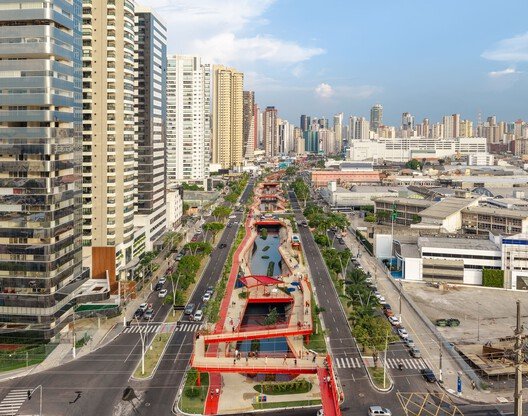
Stretching along the Atlantic coast at the southern tip of Florida, Miami is often introduced through postcard views of beaches, palm trees, and glass towers facing the water. Yet, behind this familiar image lies a city shaped by migration, tourism, and real estate cycles, where architecture has repeatedly been used to project new identities and reinvent the urban landscape. From early resort hotels and the Art Deco façades of South Beach to experimental high-rises and cultural institutions on the bay, the built environment offers a way to read how Miami negotiates climate, economy, and everyday life.

Read More »

Cupertino Courtyard House / SHED Architecture & Design

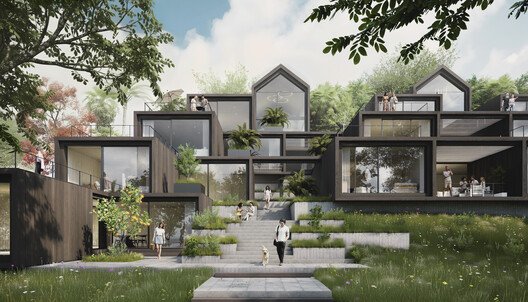
Situated on a flat lot in a quiet residential neighborhood near the Apple headquarters, the site is close to the Cupertino Eichler district but directly adjacent to homes in the Spanish Colonial and Mission styles mandated by zoning regulations. The opportunity was embraced to adapt the shared lineage of these local precedents while adhering to strict style requirements to design a new contemporary dwelling.

Read More »

Museum of the Amazon / Guá Arquitetura + be.bo. arquitetos

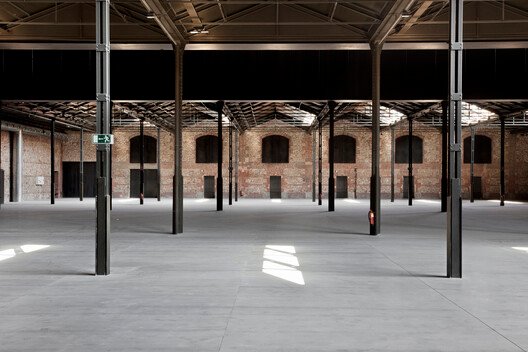
The Museum of the Amazons (MAZ), a cultural space dedicated to valuing science and technology in the region, opened to the public in Belém on October 4th. The museum is part of Porto Futuro II, which comprises a set of works carried out by the Government of Pará, left as a legacy from COP 30 to the capital of Pará. The Pará-based office Guá Arquitetura and the Rio de Janeiro firm be.bo. architects are responsible for the design of the 3,100 m² warehouse. In parallel, the duo developed the museum’s permanent exhibition design, which will open in 2026.

Read More »

Wang Shu and Lu Wenyu Named Curators of the Venice Architecture Biennale 2027

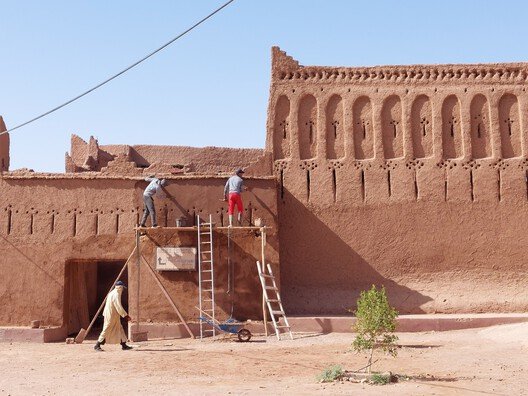
La Biennale di Venezia has announced that architects Wang Shu and Lu Wenyu will curate the 20th International Architecture Exhibition, opening in May 2027. Founders of Amateur Architecture Studio and leading voices in contemporary practice, the duo is known for an approach rooted in craftsmanship, material reuse, and deep engagement with place. Their appointment brings renewed attention to vernacular knowledge, construction cultures, and the social realities shaping architecture today.

Read More »

Light, Material, Reaction: How Active Surfaces® Transform Cybernet Systems’ Tokyo Headquarters

The new headquarters for Cybernet Systems was designed around the Japanese architectural concept of flexibility, promoting well-being, collaboration, and productivity. As a global leader in Computer-Aided Engineering, supporting industrial production through advanced digital solutions, the headquarters, located in the Fuji Soft Akihabara Building in Tokyo, embodies the company’s commitment to creating a dynamic, technology-driven community.  

Read More »

Lisi Garden House / Architects of Invention

Abstract – The seven-storey building is conceived as a notionally modular structure, with all components—but not every full module—constructed offsite. This represents a significant innovation within Georgian architecture, where offsite construction remains emergent.

Read More »

Rethinking Public Space Through a Skateboarder’s Eyes

Created by California surfers who wanted to bring the lines of surfing onto asphalt, skateboarding soon outgrew its role as a simple alternative for flat days. It established itself as a practice that reads the city through a different logic, reinterpreting steps, handrails, walls, and interstitial spaces as possible lines, challenges, and opportunities. Over time, it evolved into a global urban culture, a way of inhabiting and transforming public space through movement. What was once marginal has become a catalyst for urban activation, community building, and new uses for overlooked spaces. At its core, skateboarding reveals how many cities coexist within the same city, depending on who moves through them and how each person is able to reinterpret their surroundings.

Read More »