Blog

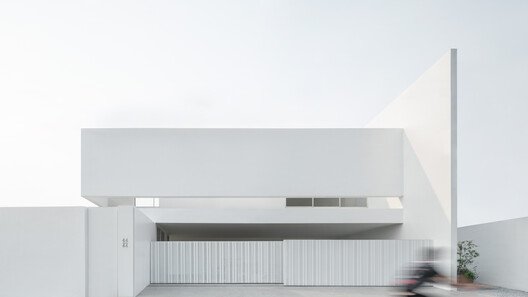
Lucent House / CORE Cluster

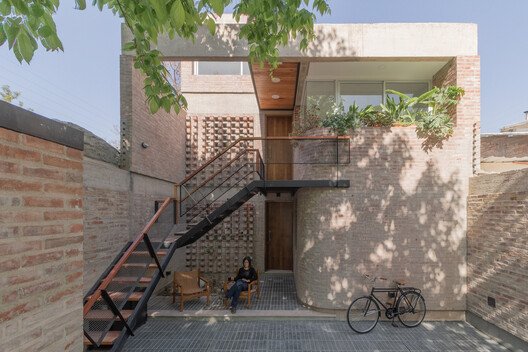
The exterior and interior of the house are designed to juxtapose two distinct characteristics: simplicity and plainness, on the one hand, and complexity and vibrancy, on the other. The former invites future adaptability and decorations, while the latter fosters a sense of dynamic interaction. The interior spatial diversity accommodates an extended family, ensuring an interactive living environment. Over time, the house becomes a repository of collective memories, shaped by the evolving relationship between the owners and the dwelling.

Read More »

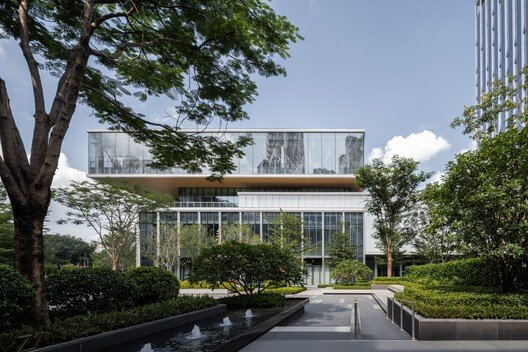
The Culture Shift / Superimpose Architecture

The Culture Shift by Superimpose Architecture is a new civic landmark in Dongguan, China, a city at the heart of the Greater Bay Area known for its rapid urban transformation. Conceived as a “terraced landscape for culture, work, and community,” the project integrates a municipality house, cultural center, theater, community spaces, and offices into an interconnected ensemble. Set amidst Dongguan’s dense skyline of high-rise towers, The Culture Shift redefines what a civic center can be. Instead of a monolithic complex, it unfolds as a sequence of ascending terraces that echo the surrounding mountains while creating a bold yet inviting gesture in the urban fabric. Three buildings frame a generous central courtyard; a calm, green “living room” that anchors the ensemble and offers an open, social heart for the community.

Read More »

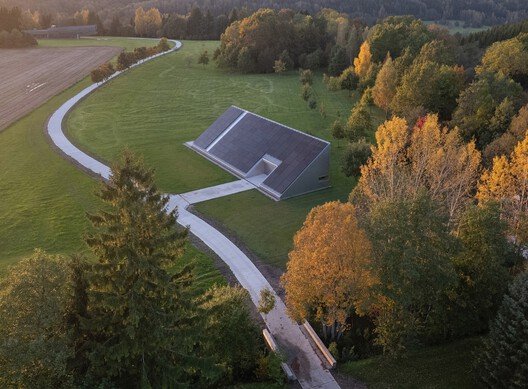
Utriai Storage Barn / Architectural Bureau G.Natkevicius & Partners

In the village of Utriai (Klaipėda District), a newly constructed object dismantles the stereotypical view of a farm building. The architectural bureau “G. Natkevičius & Partners” presents a project where, beneath a metal “armor,” lies not only machinery but also a cozy space adapted for hosting guests and overnight stays.

Read More »

New National Museum in Abu Dhabi and The Nomadic Library: This Week’s Review

As cultural institutions advanced major preservation projects and new demographic data reframed understandings of urban growth, this week’s architectural discussions centred on how cities and museums adapt to evolving social, environmental, and infrastructural conditions. Efforts to safeguard modern heritage, developments in long-term urban planning, and reflections on architectural legacy intersect with global observances such as the International Day of Persons with Disabilities, highlighting the ongoing need for more inclusive and accessible environments within the built landscape.

Read More »

Effortless Design? Exploring Architecture Tools That Enhance the Creative Design Process

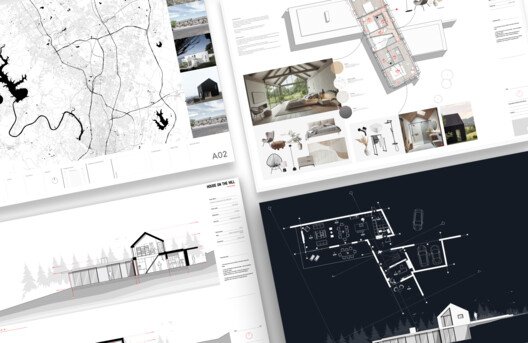
Finding the right tools to represent a project idea or carry out a construction job remains an ongoing challenge for architecture and design professionals. While software for drafting, 3D modeling, and calculations has increased precision and efficiency, many architects continue using legacy tools learned in academia or practice—tools that feel familiar, but don’t necessarily offer the best design experience. From overloaded interfaces and clunky workflows to endless plug-ins and constant back-and-forth between disconnected software, traditional design tools often reveal their complexity and fragmentation.

Read More »

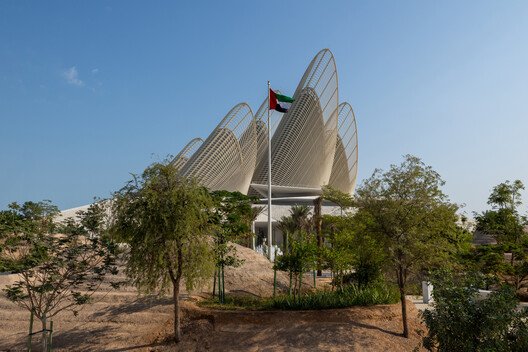
Zayed National Museum / Foster + Partners

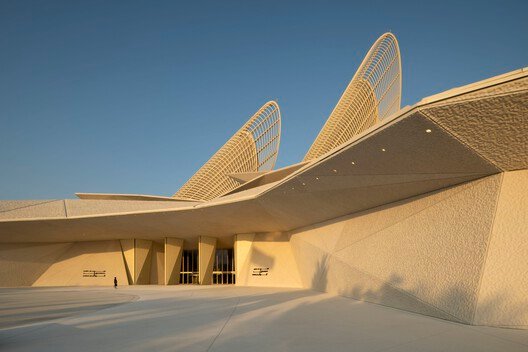
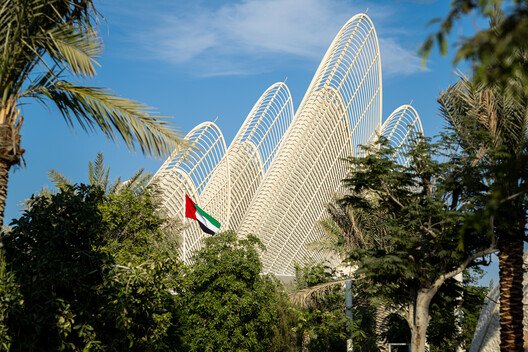
The Zayed National Museum has opened its doors to the public. Located at the heart of the Saadiyat Cultural District in Abu Dhabi, the new national museum of the United Arab Emirates (UAE) traces the history of the Emirates, from the earliest evidence of human habitation to the civilisations that shaped its culture and identity, rooted in the values of the UAE’s Founding Father, the late Sheikh Zayed bin Sultan Al Nahyan. The building’s form addresses the challenge of sustaining life in a desert environment and the strong cultural traditions of the UAE.

Read More »

The Line of Fragile Radiance: Neon Light as Atelier, Architecture, and Archive

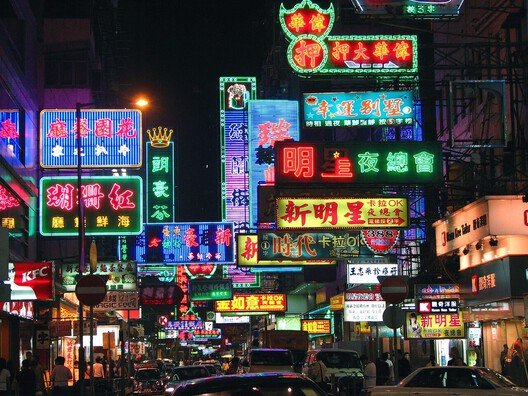
The fragility—and temporal beauty—of neon has captivated audiences since the early 1900s. First shown commercially by French engineer Georges Claude at the 1910 Paris Motor Show, neon spread rapidly, achieving broad popularity in the United States from the 1920s through the 1950s. Mid-century America saw it everywhere: from the casinos of the Las Vegas Strip to roadside motor inns along Route 66 and the spectacle of Times Square. By the latter half of the century, however, many signs were scrapped or left to decay, and numerous municipalities restricted neon as visually garish or power-hungry—despite the technology’s comparatively modest energy use. In the U.S., renewed interest in neon arguably didn’t meaningfully return until the early 2000s.

Read More »

La Memoire Residence / Studio PHH Architects

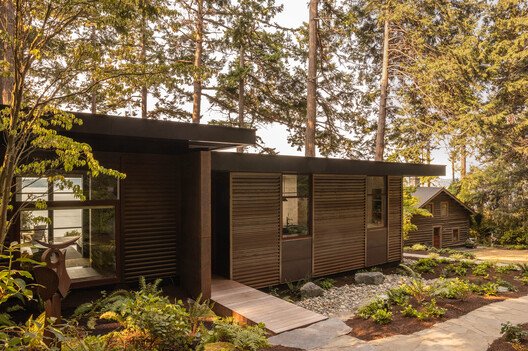
Loaded with history and on a fragile but dramatic site, the owner’s dream of being stewards of the property while extending and renovating the home quickly became challenging. Hoppenot, founder of Studio PHH Architects, was brought onto the project after being recommended by a family friend who saw them struggle with preserving the site’s beauty and the home’s intentions as originally designed by Terry Hunziker.

Read More »

Foster + Partners’ Zayed National Museum Opens to the Public in Abu Dhabi

Zayed National Museum, the national museum of the United Arab Emirates and a major anchor of Abu Dhabi’s Saadiyat Cultural District, has opened to the public. The project was awarded to Foster + Partners following a 2007 design competition, with construction commencing the following year. Its inauguration marks a significant moment in the UAE’s cultural development, coinciding with a year that saw the opening of teamLab Phenomena Abu Dhabi and the Natural History Museum Abu Dhabi, as well as the reopening of Al Ain Museum, broadening the region’s institutional landscape.

Read More »

The Role of Architects Is Shifting: From Solitary Visionaries to Collective Activists

For a long time, architecture was understood as an essentially individual activity, dependent on the figure of a creative genius and centered on the ability to solve problems through drawing. Over time, this image began to fade. The protagonism once concentrated in a few names reached its peak during the era of the starchitects and gradually became distributed among offices, collectives, and multidisciplinary teams. Today, architects are expanding their boundaries into other fields such as gastronomy, music, design, and the corporate world, applying spatial thinking to address challenges of various kinds. As social, environmental, and political crises deepen, the role of the architect continues to evolve from a solitary author to a mediator, activist, and collective agent of transformation. This shift reflects an ethical awakening and a recognition that design, regulation, and care are inseparable dimensions of contemporary practice.

Read More »