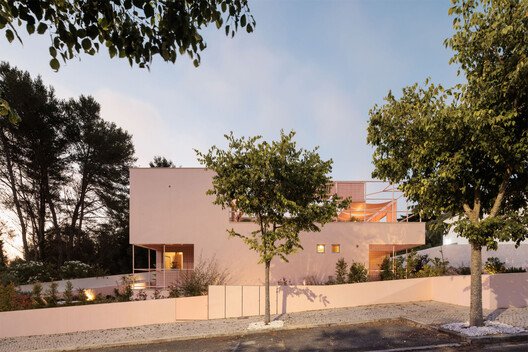
House in Galamares / atelier RUA
About 30 minutes from Lisbon, with a privileged view of the Serra de Sintra, a project for a single-family dwelling of 420 m² is being developed, distributed across two floors above ground and a basement.

About 30 minutes from Lisbon, with a privileged view of the Serra de Sintra, a project for a single-family dwelling of 420 m² is being developed, distributed across two floors above ground and a basement.
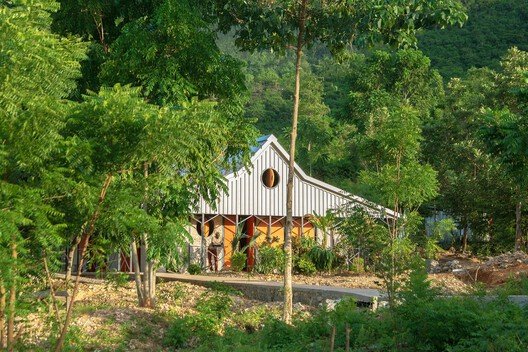
Hidden in the rich tropical vegetation of southern Haiti, the project consists of a community centre for the rural community of Bercy-Cavaillon, as well as the office of the local farmers’ association APTEKKA. This is the only shared facility in this remote area, conceived as a place for training, cultural events, collective gatherings, and rest.
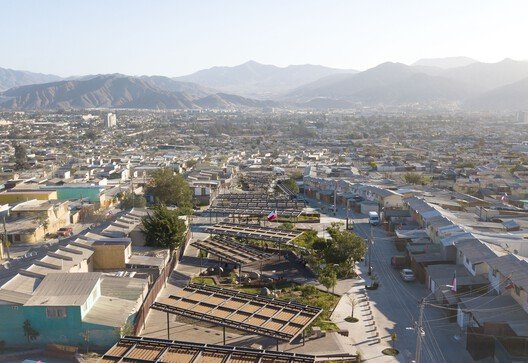
From a landfill to Vergel in the desert. Parque Esmeralda is located in the piedmont of Copiapó city, Northern Chile. The Park is in one of the last peripheral social housing developments on the north side of this town, at the border with the Atacama Desert.
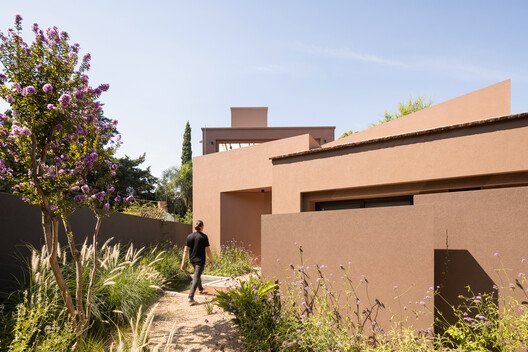
An unusually described program by Pablo, a rich enumeration of atmospheres and sensations in which to dwell, a terrain still to be chosen from a possible list. Thus begins the commission for this house. Pablo envisioned diverse exteriors that manifested the temporality of the seasons of the year, of their domestic landscapes; exteriors possible to be seen from the different spaces of the house. Living should be a spatial, sensory experience of discovery.
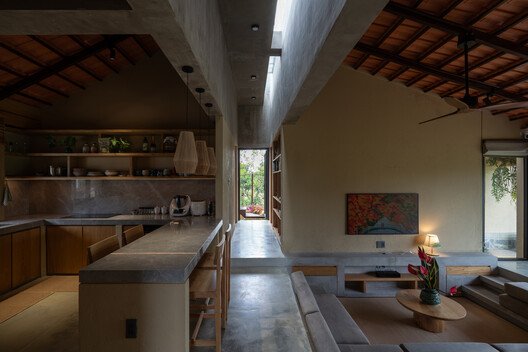
Bao Loc House is a small residence located in the suburban area of Bảo Lộc, where the characteristics of an agricultural rural landscape remain largely unaffected by urbanization. The site is situated on gently sloping terrain leading to a river, providing favorable natural conditions for creating a living environment closely integrated with the surrounding landscape.
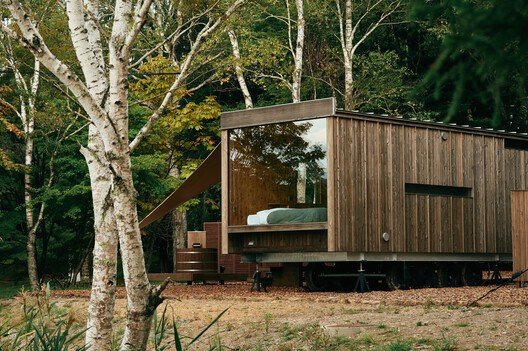
Earthboat Cave is a small timber accommodation quietly embedded in the lakeside forest of Shirakabako. The project was developed under the concept of “nature escape,” an Earthboat philosophy that allows people to escape dense urban life and reconnect with nature in a calm environment.
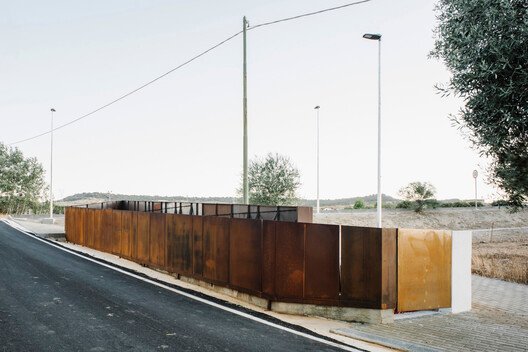
In the heart of Marmilla, architect Martino Picchedda transforms the village’s main entrance into a poetic urban threshold. The design evokes the timeless forms of the Giants’ Tombs while celebrating the Sardinian landscape’s identity through corten steel, local stone, and light. Here, history and contemporary design converge, creating a welcoming space that tells the story of place and people. From the sidewalk to the parking area/town entrance, the project invites a walk with a view of the landscape beauties of Marmilla, transforming a peripheral route into a true story of welcome. Corten steel, local stone, and light become the three key elements that intertwine memory, identity, and landscape, welcoming arrivals and offering at the same time a sign of recognition.
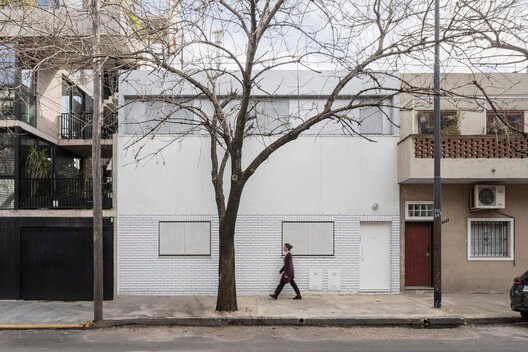
The remodeling and expansion of this typical ground floor PH unit with its own terrace responds to the challenge of adapting the home to two possible configurations: a first version as a single-family dwelling and a possible future division into two independent units, one on the ground floor and another developed on the first and second floors.
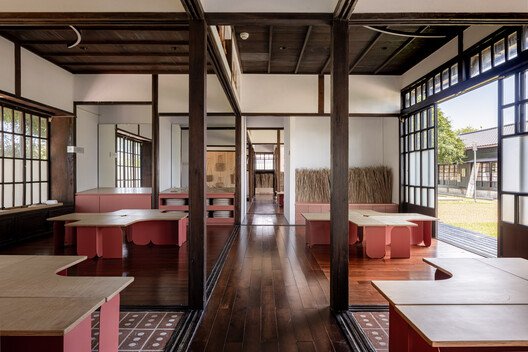
Amid the tides of time, architecture bears witness to change, taking on new roles within the same site. Situated within an elementary school campus, the project occupies a rare, well-preserved early 20th-century residential building—originally constructed during the Japanese colonial period—now embedded within a contemporary educational environment. Once a humble dwelling, the space now serves as a rush-weaving classroom. Rather than restoring a relic, the design opens a dialogue between history and daily life, creating a third space between memory and use.
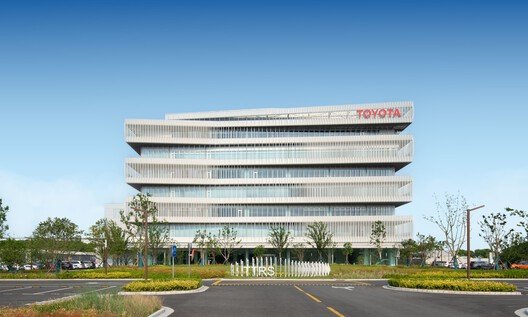
“Innovation Park” – This R&D facility, established by Toyota Motor Engineering & Manufacturing (Shanghai) Co., Ltd. in Jiading District, Shanghai, China, is a research and development hub dedicated to advancing cutting-edge research in areas such as autonomous driving in order to realize a “mobility society” in China. The facility is designed as an ‘innovation park’—a park-like environment that embraces both nature and society, fostering harmony between people and the environment while enabling collaboration among researchers and other workers.