Blog

Designing for Coexistence: The Invisible City of Bees

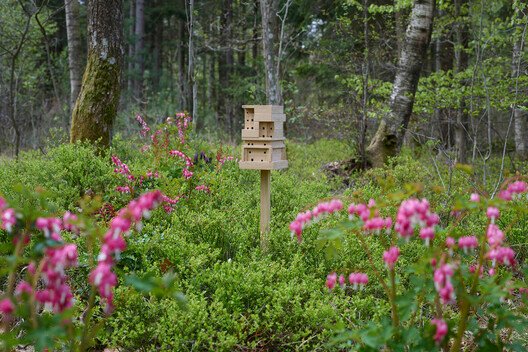
In the first days after birth, the bee remains inside the nest, cleaning cells and being fed by other workers. Over time, it begins organizing pollen stores, regulating the hive’s temperature, and guarding the entrance. Only in the final weeks of its life does it leave the shelter to fly. It is in the moment of flight that its trajectory begins to intersect with architecture and the city. In search of nectar, it moves across a territory shaped not only by its spatial memory and the availability of flowers, but by the way we construct the built environment. Each movement becomes a negotiation with urban space: impermeable surfaces that disrupt natural cycles, air currents intensified between buildings, vegetation-free voids, scattered green fragments between lots, and technical rooftops.
Read More »

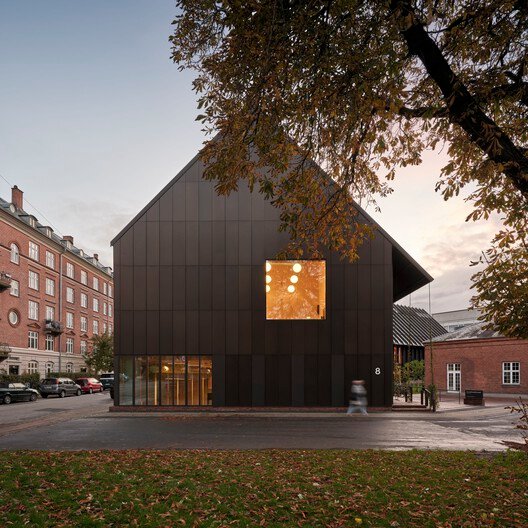
Center for Health / Dorte Mandrup

The new Center for Health in Copenhagen combines plenty of daylight, natural materials, greenery, and room for movement and community to support rehabilitation and treatment of lifestyle-related diseases. Designed by Danish architecture studio Dorte Mandrup, the building features an impressive central space, formed by the sculptural rhythm of 15-meter-high timber arches.

Read More »

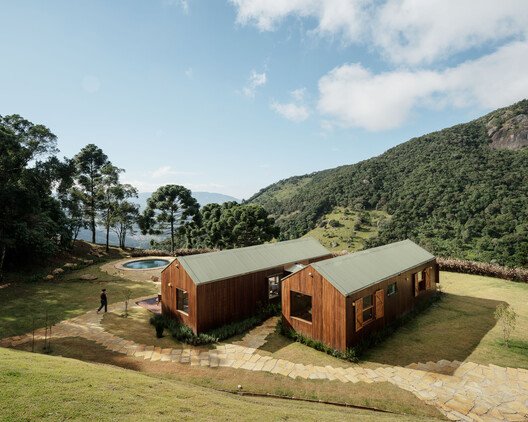
Sagarana House / Estúdio HAA!

The Casa Vão was developed within the parametric system of pre-fabricated residential projects created by the construtech PELE (Personalization at Scale), a spin-off company of the HAA! Studio!

Read More »

Terminal Kadıköy / Tabanlioglu Architects

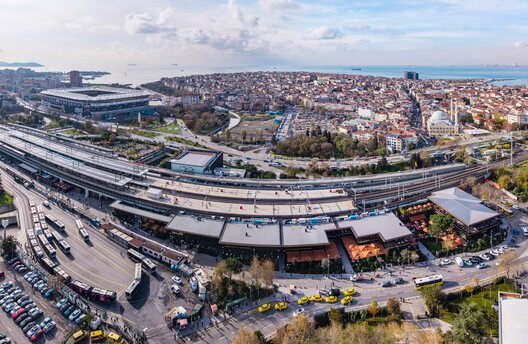
Located on the Anatolian side of Istanbul, Kadıköy is a vibrant district known for its inclusive, democratic atmosphere. With a population of approximately 500,000, it sits directly across from the historic peninsula and has long served as one of Istanbul’s key recreational and cultural hubs.

Read More »

Unit 20 / studio2AM

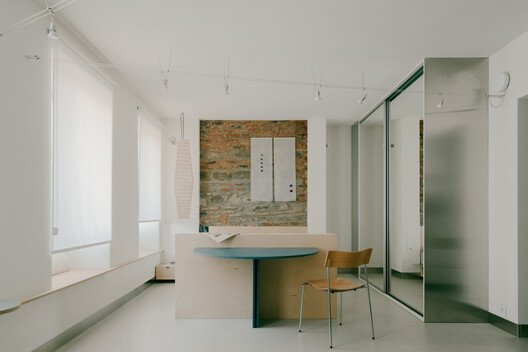
Unit 20, located in the heart of Mtatsminda, continues a series of projects that reconsider what it means to design for the contemporary rental market and, in this case, within historically charged contexts. Housed in a residential building of significant urban and cultural value—officially recognized as a heritage monument—the project engages in a careful dialogue between past and present.

Read More »

Roberval Courthouse / Groupe A

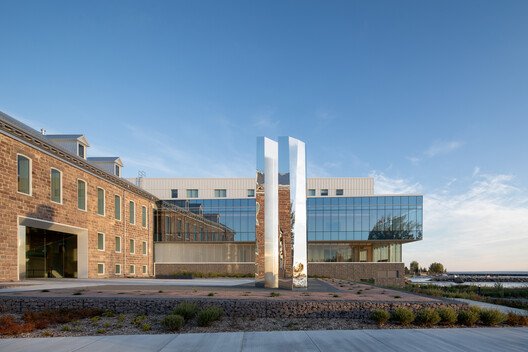
The Roberval Courthouse is set within an exceptional natural site, at the heart of the historic downtown, at the meeting point between a heritage urban fabric and the lakeshore landscape of Lac Saint-Jean. This context revealed both strong potential and complex challenges for the project: restoring a fragile century-old building, repairing past interventions that had severed its relationship with the lake, modernizing judicial spaces, integrating a substantial expansion without compromising the building’s symbolic value, and improving accessibility and security.

Read More »

JV Residence / Pitta Arquitetura

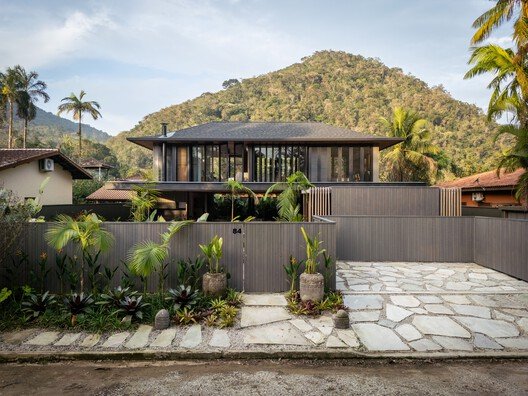
Set against the lush backdrop of the Atlantic Forest, this residence is a manifesto of how contemporary architecture can engage in an intimate and respectful dialogue with its surroundings. The project balances the solidity of modern lines with the warmth and lightness of natural materials, creating a sanctuary of comfort and design.

Read More »

Aqqu Central Café / AT interiors

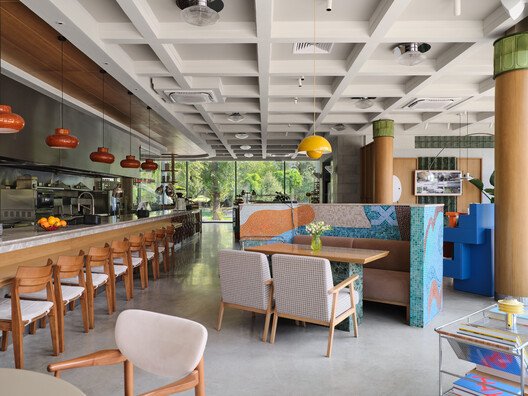
Aqqu Central Café is an architectural regeneration project that restores a legendary landmark of Almaty from the 1960s. The name Aqqu translates from Kazakh as White Swan, which historically refers to the pair of live swans that lived in the adjacent ponds, making this site a cultural icon for the city. The design is entirely dedicated to restoring the city’s visual memory through a modern interpretation of 1960s modernism. The conceptual starting point for the project was a vibrant swan mosaic created by local artist Anastasia Zharko. Its bright palette of blue, yellow, red, and burgundy served as the foundation for every color selection throughout the interior.

Read More »

Renovation of the Old Riverside House / Ref Architects + 0.5m Studio

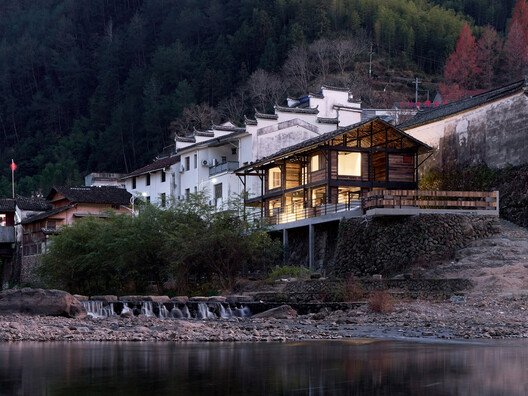
Project Background and Site Understanding — The site is located on an elevated riverside plot along the Wuxi River in Wangcunkou Town, Suichang County, Zhejiang Province, descending toward a natural stone riverbank. Historically, it served as an important water transportation dock during the Ming and Qing dynasties and later became an active area of revolutionary history. With the shift of time, the site has remained abandoned for many years. Although the village is structured along the river, most of the riverbank is occupied by residential buildings, leaving little public access to the water. The renovated house sits between a small plaza and the riverbank, and its enclosed condition had long blocked villagers’ approach to the water. The design goal therefore emerged clearly: to transform “separation” into “connection” by renewing the old house and releasing an openly accessible waterfront public space for the community.

Read More »

Engineering Collaborative Research & Education Building at Penn State University / Payette

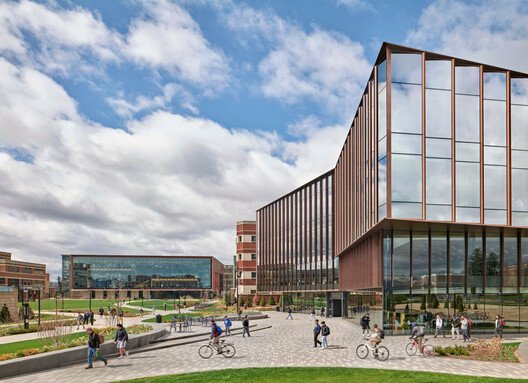
The ECoRE Building is a 280,000 SF engineering research and teaching engine at the heart of a new engineering precinct, across the Atherton Street divide, and located at the west terminus of the main campus axis. Funneling activity and flow, the building’s formal gesture invites pedestrian connections and pedagogical collaborations between the main campus and the new precinct.

Read More »