Beyond the Exhibition: Architecture, Interior, and Landscape as a Single Narrative

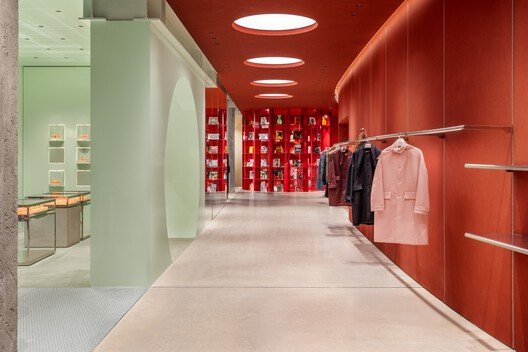
As part of the experiential context, the concept of exhibition in architecture is closely tied to perception. Understanding the user’s journey, recognizing the properties and characteristics of each element, and revealing the methodology behind their operation are all vital aspects of the design and development process for these spaces. From equipment, furniture, and artworks to construction materials and technologies, architecture and interior design demonstrate an increasingly significant creative potential to develop solutions that merge historical, landscape, and social perspectives.

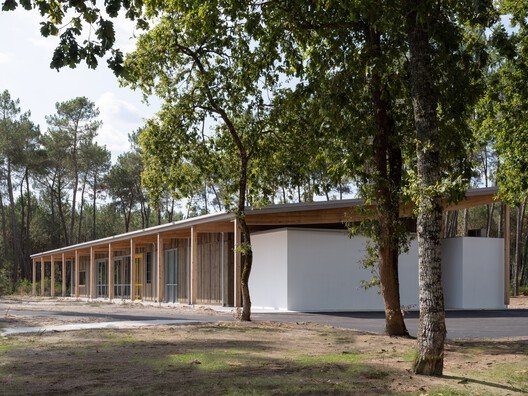
Nuoc Ui School / VTN Architects

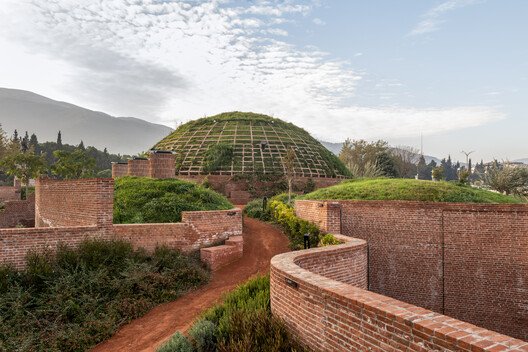
Located in Tra Mai commune, Nam Tra My district, Quang Nam province – a remote mountainous area in Central Vietnam – Nuoc Ui School serves an ethnic minority community scattered across challenging terrain and harsh weather conditions, with storms and heavy rains occurring almost every year. The project is primarily funded by the Midas Foundation, with doors and windows sponsored by Tostem, and designed by Vo Trong Nghia Architects. Its goal is to provide a sustainable, friendly, and locally adapted learning environment.

The Floating Neighborhood of Las Balsas / Natura Futura

Developed along the banks of the Babahoyo River in Ecuador. Two hundred years ago, the river was home to more than 250 floating houses; by 2010, over 80 families had been displaced to municipal housing developments located six kilometers away, disconnecting them from their commercial, social, and cultural ties, as well as from their traditional ways of life. Today, barely twenty-five homes remain afloat on the river, under conditions inadequate for community development. Given this situation, the project proposes a public and private space (for local inhabitants) that revalues the floating ecosystem by recovering traditional building techniques for the preservation of the river’s social and natural habitat.

Attic A.N.T. / Pineda Monedero

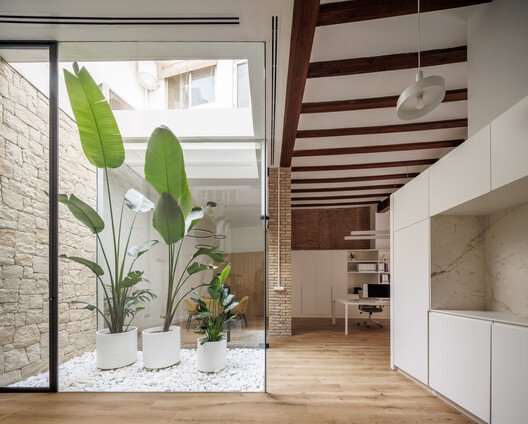
The housing is located on the top floor of a building from the 1970s. Like most penthouses in the city, it is a residual space despite being the most coveted apartment. By retracting the facade, the unit is positioned above the secondary spaces of the lower floors, with narrow frames and numerous obstacles such as downspouts or ventilation ducts. The goal is to camouflage these defects and through a process of subtraction, leave its structure exposed. Three main spaces are created beneath the original layout.

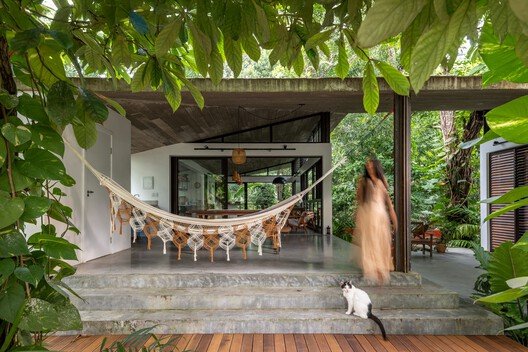
Forest House / RAWI Arquitetura + Design

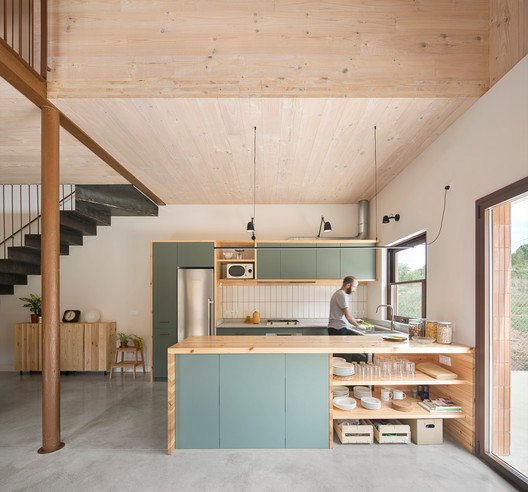
Forest House was born from a deep dialogue between architecture and nature, with native trees that reinforce the environmental character. The 350 m² residence was designed to accommodate a family of three siblings and their father, based on a concept that unites affection, comfort, and respect for the original land.

Atelier Jeumeu / COV Studio

Atelier Jeumeu is a stay project located in Jeumeu Village in Gangneung, whose name means “the village where the sun sets.” Conceived as a refuge from the city, the project invites visitors to step away from urban speed and embrace a moment of stillness.

Hortensia Herrero Art Center / ERRE

The Hortensia Herrero Art Centre is located in the former Valeriola Palace in the city of Valencia, Spain, an emblematic Baroque-style building dating back to the 17th century that has served various purposes throughout its history, undergone various interventions, and, in recent decades, been unused and abandoned.

Weilong School / MENG YAN | URBANUS

“We approach the construction of the academies as an opportunity to reactivate community culture. The proposal seeks not only to mend the existing spatial fabric of the city but also trace and reveal the valuable cultural threads embedded in its surroundings. We hope to ‘nourish’ the future of the district, weaving a more generous urban space and a richer urban life through the architectural design of two new schools.” Meng Yan.

From Drainage to Waterproofing: How to Shape the Design and Performance of Shower Systems

In contemporary bathroom architecture, the drain has evolved from a purely functional component into a design element that guides layout, accessibility, and long-term performance. When drainage, slope geometry, and waterproofing are designed as one system, the tiled surface achieves both visual refinement and reliable function—qualities that are critical for hotels, spas, and residences. Schluter® establishes the essential drain-to-waterproofing connection in a controlled factory setting, rather than relying on field assembly.