
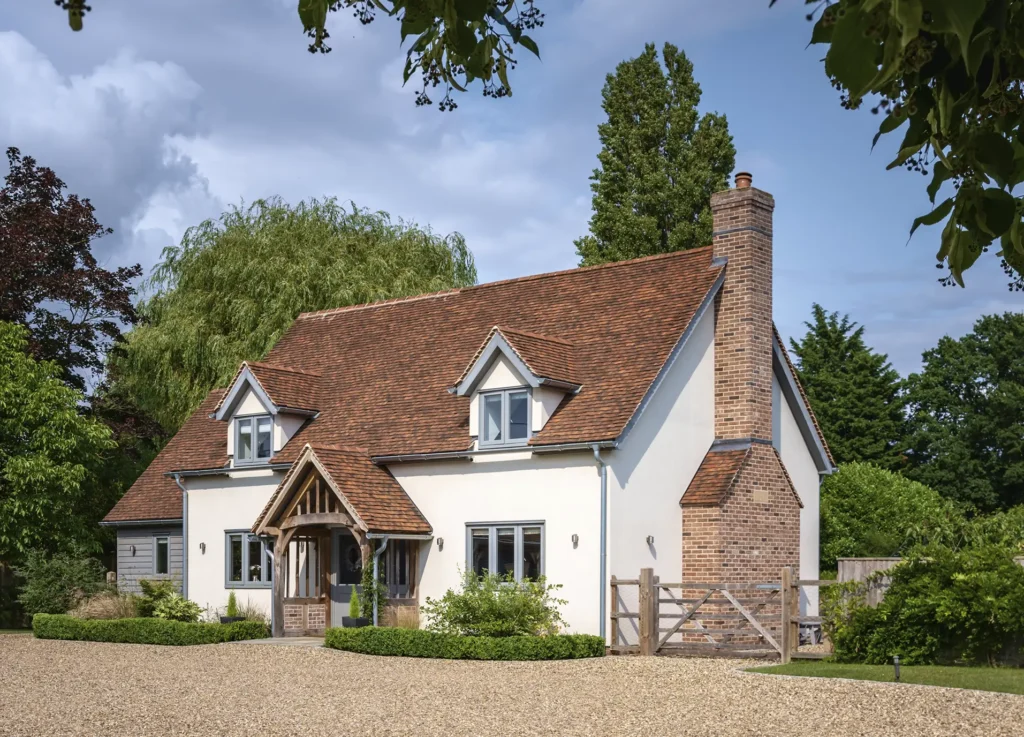
Render is a hugely versatile cladding option for self builds, renovations and extensions. It’s widely available from a range of suppliers and can be specified in a vast array of colours to perfectly suit your home’s exterior design. The manufacturers of building materials are constantly coming up with new ways of blending minerals and chemicals
The post House Rendering Options Explained – Your Complete Guide to Choosing the Right Render appeared first on Build It.
Render is a hugely versatile cladding option for self builds, renovations and extensions. It’s widely available from a range of suppliers and can be specified in a vast array of colours to perfectly suit your home’s exterior design.
The manufacturers of building materials are constantly coming up with new ways of blending minerals and chemicals together to give us superior products to use on site – sometimes for easier application, but also with improved performance for lower maintenance. Exterior render is one of these products, although with so many different options and outcomes, knowing which render will work best on the exterior of your project may be a challenge.
For renovations or retrofits, rendering the exterior is a great way to for give the property a new lease if life, or for uniting old and new elements. “Render can prolong the life of a building by adding a weatherproof barrier between the brick construction and the elements. It is also a great way of refreshing tired, damaged or mixed brickwork with a consistent overall finish across a property,” says Frank Brown, product manager of builders’ merchant MKM Building Supplies.
So, which exterior render option is best for your house? Here we shed some light on the most popular solutions available in the UK and their benefits to help you pick the right material.
| Helpful summary This article looks at the different external render systems available for UK homeowners. It explores the pros and cons of each solution, including silicone, cement, lime and more, alongside their costs and which type of project each system suits best. It also looks at the different ways render can be used to enhance a house’s architectural design. |
Jump to:
- Is render the right solution for your project?
- How to use render in your design
- Choosing a render colour
- Sand & cement render
- Silicone & acrylic render
- Monocouche render
- Cork render
- Lime rendering
- House render FAQs
What is render & is it right for your home’s exterior?
House rendering is a popular exterior cladding material. It is a coating applied to a building’s external walls – basically, the smooth, usually white surface on the outside of a house. Traditionally, house rendering is a mix of lime, water and an aggregate (such as sand) created a flexible and breathable covering.
This method hasn’t been particularly popular in the last few decades, but has recently experienced a bit of a resurgence; it’s certainly still used for period property conservation projects and renovations.
Conventional house rendering materials are made from a cement, sand and aggregate blend, but many modern products are cement free. These newer render options sometimes contain products to help waterproofing and resistance to algae growth – you can even get renders pre-mixed with a colour for a vibrant finish and ones that work with external insulation.
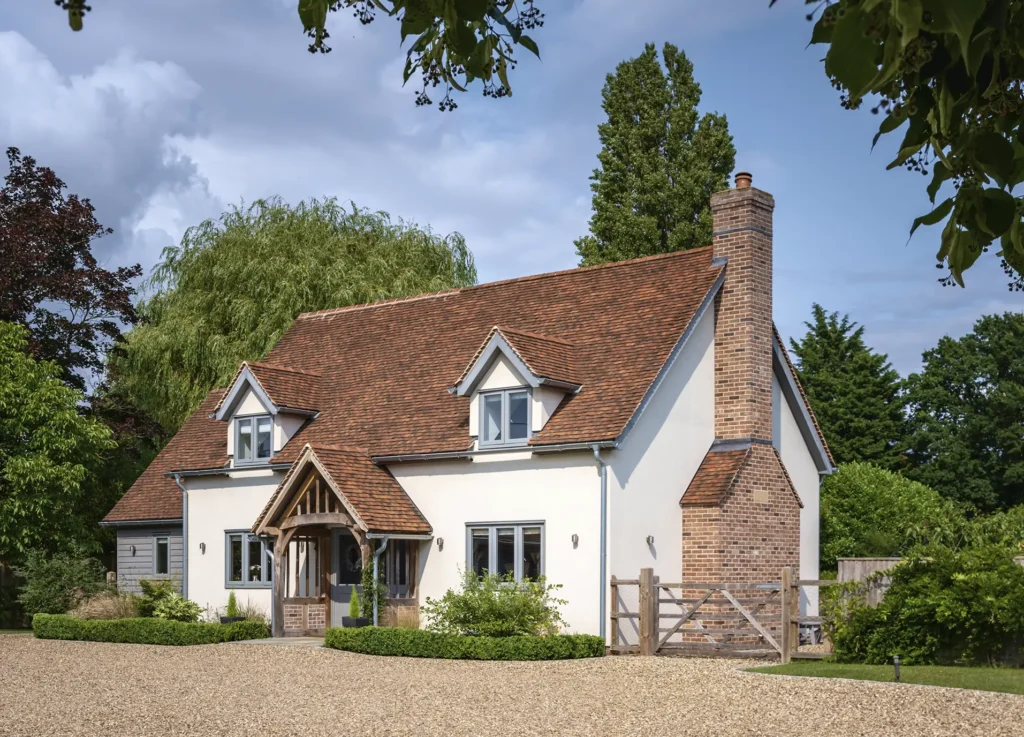
Sarah and Matt Switzer partnered with Welsh Oak Frame to create their dream self build home in the Essex countryside. The mortgage company wouldn’t allow timber cladding on the oak build, so the couple decided to render the main part of the property and used painted cedar planks on the side section and rear. Photo: Nikhilesh Haval
Generally, modern house rendering systems can be divided into three main types: mineral, acrylic and silicone – but there are other options, as we look at further down. Normally these need only one coat of 1mm-4mm thickness, but this is highly influenced by the substrate material used under the render. If chippings are being added to the surface once the render is in place, then it may need to be at least 6mm thick.
The post House Rendering Options Explained – Your Complete Guide to Choosing the Right Render appeared first on Build It.