
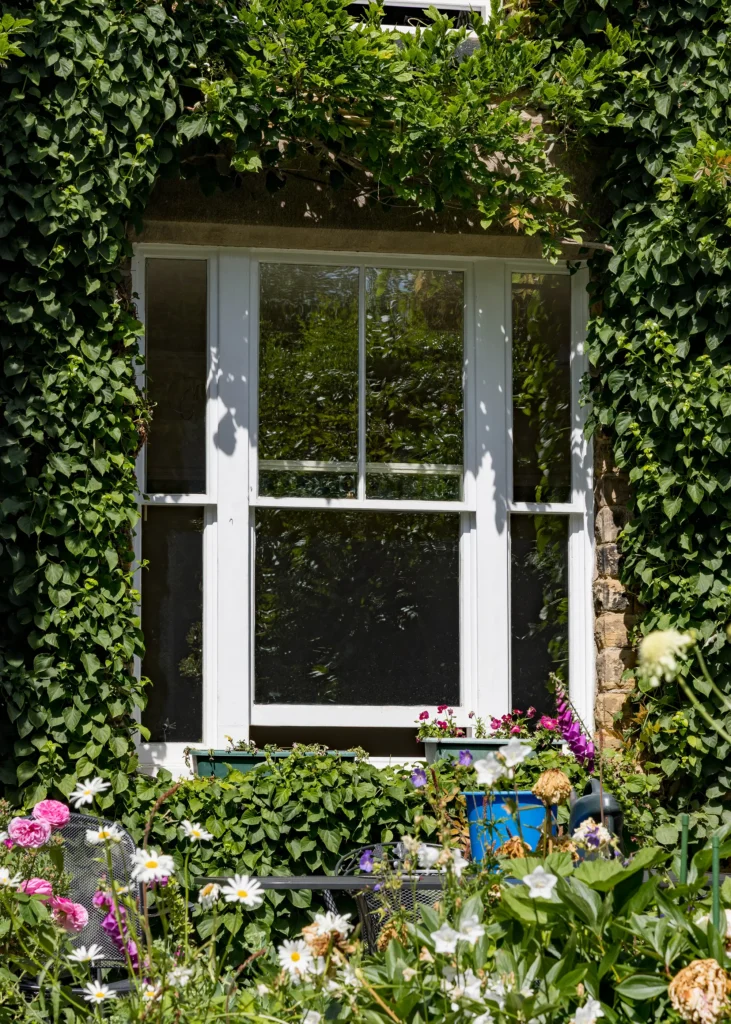
Windows do a lot of heavy lifting on a property – they can contribute to its thermal performance, let in light and external views, and form a huge part of the house’s overall aesthetic. So, getting them right is important. This material guide focuses on window frames specifically and walks you through the benefits and
The post How to Choose the Right Window Frame Material – the Pros & Cons of Each Option appeared first on Build It.
Windows do a lot of heavy lifting on a property – they can contribute to its thermal performance, let in light and external views, and form a huge part of the house’s overall aesthetic. So, getting them right is important. This material guide focuses on window frames specifically and walks you through the benefits and drawbacks of some of the most common solutions on the market, so you can make an informed decision when planning and specifying your glazing.
There aren’t objective best and worst options, only the right one for your specific design scheme, budget, efficiency demands and location, all of which can vary so much from house to house. Similarly, there are many factors besides the frame material that will contribute to the overall quality of your windows – installation, glazing specification and how well they are looked after are also highly important.
The frames are therefore just one thing to consider when choosing new windows: be sure to get the best installers, the right glazing and hardware for your location and take care of the final product. A high-quality, poorly installed window might not perform any better than a lower-quality frame installed well, for instance.
| Helpful summary This window frame materials guide takes a closer look at each of the most popular options for UK homeowners. From timber to uPVC, aluminium and more, it explores the pros and cons of the different frame choices, how their installation differs and the individual maintenance requirements. |
Jump to
- Timber windows
- Aluminium windows
- Composite alu-clad windows
- Steel windows
- uPVC windows
- Window costs
- Window materials FAQs
Timber windows
Timber is a classic window frame material and is particularly well suited to sash or other more intricately detailed windows. According to Dave Tiller, technical director at Ventrolla, “timber can be built into almost any shape, so it’s particularly good for bespoke designs.” If your house is listed or in a conservation area and the original windows were wooden, you may be required to repair or replace them with timber to preserve its historical accuracy.
Even if yours is not a heritage property, timber remains an effective and popular choice. Some people are put off by poorly-looked-after rotten, draughty, single-glazed wooden frames seen in some older properties, but a well-made and well-maintained double- or triple-glazed timber window is exceptionally thermally efficient and, according to the Building Research Establishment (BRE), can last between 30-65+ years if well cared for.
“I’m a big advocate of timber window frames, and the technology is way beyond what it was decades ago. We work with a paint company, for example, that thinks it will be able to offer a 20-year, no-maintenance guarantee on timber paintwork,” says Dan Todd, sales director at Kloeber. “Accoya, which is a thermally modified timber product, has a life expectancy of 75 years.”
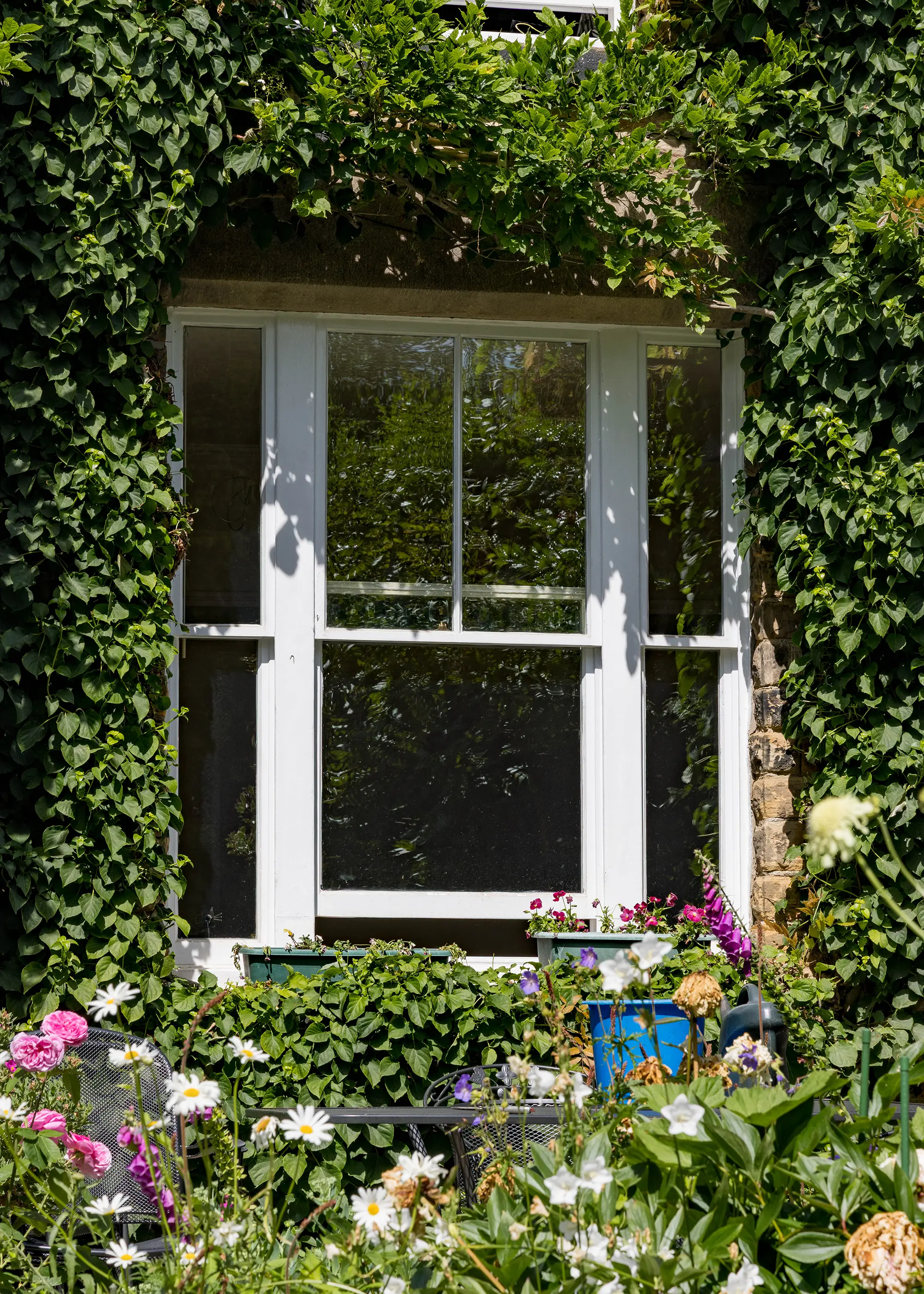
This Venetian-style window from Ventrolla has a two-over-one sash configuration with two side panels of glazing to let in even more light
Timber window maintenance
If your house is particularly exposed to high wind, rain, or salt spray, timber will need more frequent maintenance and repainting. If you want something as low effort as possible, timber may not be the right option for you in these conditions.
Timber window costs
The price of timber frames will vary based on the species of wood and whether it’s soft or hard. Hardwoods and thermally modified timber are the sturdiest and most long lasting, and as a result, are some of the most expensive frame material options on the market. Unlike other materials, however, timber is the least prone to price fluctuations as it’s renewable. This renewability also makes it a good choice for those seeking frames with a smaller carbon footprint. It has less embodied carbon than any other frame material, and it can be turned into wood chip at the end of its life.
The post How to Choose the Right Window Frame Material – the Pros & Cons of Each Option appeared first on Build It.